Football jerseys have evolved from simple sports uniforms into powerful symbols of team identity, cultural heritage, and sporting innovation. Modern football apparel combines functional fabric construction, advanced printing techniques, and personalized design to meet the needs of professional clubs, schools, grassroots teams, and supporters. Understanding these developments helps buyers make better decisions about jersey design, material selection, sustainability, and custom manufacturing.
From grassroots school football jerseys to high-tech professional kits, football shirts are now cultural artifacts worn by billions.
Just as packaging tells a story in the food industry, the Football Jersey tells a story in sport — of unity, pride, branding, and progress.
The pain points of traditional football kits, the technological and cultural revolution behind modern kits, and how clubs, schools and global brands use them as a tool of identity and performance.
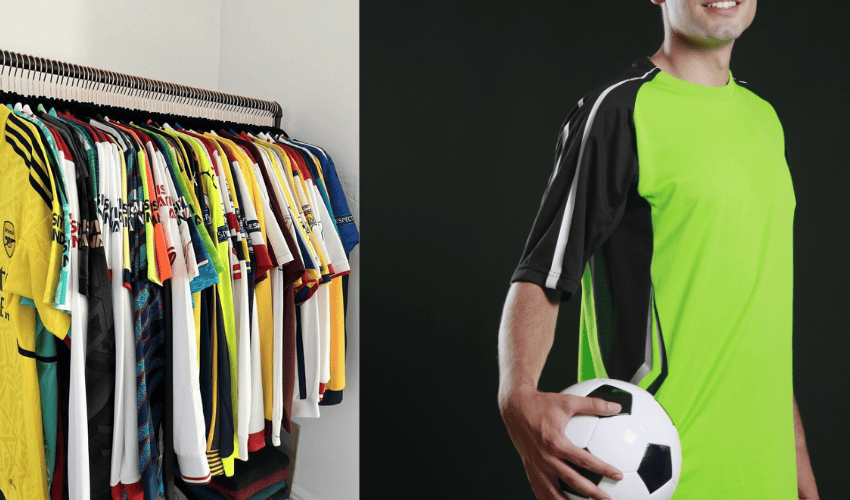
Pain Point #1 – Heavy, Outdated Kits That Hurt Performance
The Problem
In the early days of the sport, jerseys were often made of cotton or wool. They absorbed sweat, became heavy in wet weather, and restricted mobility. Players were burdened by their uniforms rather than empowered by them.
The Solution
Modern Lightweight Football Jerseys made from polyester-spandex blends solve these problems with:
- Moisture-wicking fabrics that keep skin dry.
- Breathable mesh panels that enhance airflow.
- Stretch zones that allow complete freedom of movement.
Case Example: A German youth academy reported a 22% decrease in overheating complaints after switching from basic polyester shirts to sublimated Breathable Football Jersey with zoned ventilation.
Pain Point #2 – Lack of Identity in Early Kits
The Problem
Before the rise of customization, players often wore plain or mismatched kits. Clubs and schools struggled to create a recognizable image, reducing team pride and fan engagement.
The Solution
Today’s Custom Football Jersey are designed with:
- Sublimated logos, mascots, and slogans.
- Sponsor placements without sacrificing aesthetics.
- School colors and motifs that enhance identity.
Key Design Elements That Make a Football Jersey Recognizable
A football jersey is a visual identity system as much as it is a piece of sportswear. Every design element contributes to how a team is recognized on the pitch, in photographs, and among supporters. For clubs, schools, and organizations ordering custom football jerseys, these details should be planned before production begins.
| Design Element | Main Function | Buyer Consideration |
|---|---|---|
| Team Colors | Establish visual recognition | Confirm accurate color references and consistency |
| Club Crest | Represent team identity | Check logo proportions, placement, and reproduction quality |
| Player Numbers | Support player identification | Confirm font, size, visibility, and numbering list |
| Player Names | Personalize individual jerseys | Verify spelling and alignment before printing |
| Sponsor Graphics | Display commercial partnerships | Check artwork quality, dimensions, and approved positions |
| Pattern and Trim | Create a distinctive appearance | Review how patterns align across panels and seams |
These elements should work together rather than compete for attention. A well-planned design maintains a clear visual hierarchy, allowing the team crest, player number, sponsor identity, and main color scheme to remain recognizable.
Before approving a bulk order, buyers should review a complete digital mockup or physical sample. This helps identify issues with logo placement, number proportions, color matching, and the overall balance of the design.
Real-World Story: A UK secondary school replaced their generic uniforms with fully branded School Football Jerseys. The result: higher player morale, increased attendance at matches, and 30% more community support.
Pain Point #3 – Sustainability and Regulation Pressure
The Problem
With polyester dominating production, the environmental impact of jerseys has come under scrutiny. Fans, clubs, and regulators demand eco-conscious solutions.
The Solution
Eco-Friendly Football Jersey made from recycled polyester (rPET) and organic fibers are gaining popularity. They provide identical performance benefits while reducing waste.
Case Study: A La Liga club launched a line of Recycled Football Jerseys in 2024, made from plastic bottles. Sales exceeded expectations, with fans appreciating both performance and sustainability.
Scientific Data & Fabric Comparison
| Feature | Cotton Kits (Past) | Modern Polyester Kits | Recycled Polyester Kits |
|---|---|---|---|
| Moisture Management | Poor, sweat-soaking | Excellent, wicks sweat | Excellent + eco-friendly |
| Weight in Wet Conditions | Heavy | Lightweight | Lightweight |
| Durability | Low, wears quickly | High, long-lasting | High, sustainable |
| Printing Compatibility | Limited | Full sublimation | Full sublimation |
| Environmental Impact | High | Moderate | Lower (recycled input) |
Conclusion: Modern Football Jerseys outperform older cotton kits in every metric, and recycled options ensure sustainability without compromising quality.
Modern Football Jersey Fabrics and Printing Technologies Explained
The appearance and functionality of a football jersey depend on more than its design. Fabric construction and decoration methods also influence garment weight, airflow, flexibility, visual quality, and long-term maintenance. Buyers should evaluate these factors together instead of choosing a jersey based only on its appearance.
Common Fabric Options for Football Jerseys
| Fabric Type | Typical Characteristics | Potential Applications |
|---|---|---|
| Polyester | Lightweight, quick-drying, and suitable for sportswear production | Training jerseys and match kits |
| Polyester Mesh | Open fabric construction that supports airflow | Ventilation panels and warm-weather sportswear |
| Polyester-Spandex Blend | Combines polyester properties with additional stretch | Fitted sportswear and movement-focused designs |
| Recycled Polyester | Uses recycled polyester feedstock | Projects with recycled-material sourcing requirements |
Common Football Jersey Printing Methods
Dye Sublimation: This method transfers dye into polyester fabric through heat. It is suitable for detailed graphics, gradients, multi-color patterns, and all-over jersey designs. Since the design becomes part of the fabric rather than forming a separate surface layer, it is widely used for fully customized polyester sportswear.
Heat Transfer: Heat transfer applies a graphic or film to the garment using heat and pressure. It can be useful for names, numbers, and selected logos, depending on the material and application requirements.
Screen Printing: Screen printing uses prepared screens to apply ink to fabric. It can be suitable for certain simple graphic designs and larger production runs, although the best choice depends on the artwork, fabric, and required finish.
There is no single printing method that is ideal for every football jersey. Buyers should consider fabric compatibility, artwork complexity, order quantity, expected garment use, and maintenance requirements before selecting a production method.
Rituals Around Football Jerseys
Football jerseys aren’t just worn — they are celebrated. Around the world:
- Shirt Swaps: Players trade Professional Football Jersey after matches, symbolizing respect.
- Jersey Numbers: Legendary numbers (like #10) carry cultural weight, inspiring future generations.
- Fan Rituals: Supporters wear Team Football Jersey to games, creating a sea of color and unity.
- Heritage Editions: Retro designs celebrate club history, often selling out quickly.
Cultural Example: In Brazil, the yellow and green Football Jerseys of the national team are considered national treasures, recognized even by those who don’t follow the sport.
How Football Jersey Design Reflects Culture Across Different Regions
Football jersey design is closely connected to local identity, sporting traditions, and visual preferences. Although teams around the world share the same basic need for comfortable and functional uniforms, the colors, patterns, symbols, and design details they choose can vary significantly between markets.
Europe: Many European clubs draw inspiration from their historical colors, traditional crests, city architecture, and long-standing supporter culture. Classic stripes, heritage-inspired patterns, and carefully positioned club badges are common design elements.
South America: Football jerseys often feature expressive colors and energetic visual combinations. National identity, regional pride, and the emotional connection between supporters and their teams can influence both professional kits and grassroots teamwear.
North America: School sports programs, community clubs, and recreational leagues create demand for customizable uniforms. Clear team identification, coordinated color schemes, player names, and numbers are important considerations.
Asia: Buyers may combine contemporary sportswear aesthetics with distinctive graphic elements. Lightweight fabrics, clean layouts, detailed printing, and flexible customization options are relevant to many school, club, and commercial projects.
Africa: Bold colors, geometric patterns, and locally meaningful visual references can play an important role in team identity. For teams competing in warm conditions, fabric breathability and practical construction also deserve attention.
For sportswear manufacturers, understanding these regional preferences is useful when developing custom football jerseys for international buyers. A successful design should reflect the team’s identity while remaining practical to manufacture, comfortable to wear, and consistent across the full uniform order.
Global Market Trends
- Europe: Clubs are shifting to Eco-Friendly Football Jersey in line with EU sustainability rules.
- North America: Custom youth kits drive grassroots football, with schools demanding bulk Youth Football Jerseys that balance affordability and durability.
- Asia: Fan merchandise sales of Professional Football Jersey grow year-on-year, with China and Japan being key markets.
- Africa: Climate-driven demand for Breathable Football Jerseys is rising, especially in youth academies.
The global football jersey market is projected to exceed $6.5 billion by 2027, with customization and sustainability as primary growth drivers.
How Clubs and Schools Can Choose the Right Custom Football Jerseys
Choosing football jerseys for a team involves more than selecting attractive colors. Clubs, schools, academies, and sports organizations need to balance comfort, design consistency, budget, sizing, and production requirements. A structured selection process can help buyers avoid common problems during bulk ordering.
1. Identify the Intended Use
Start by determining whether the jerseys are intended for competitive matches, regular training, school activities, tournaments, or fan merchandise. Match kits may require specific design and identification details, while training jerseys may place greater emphasis on practical maintenance and repeated use.
2. Select Suitable Fabric and Construction
Consider fabric weight, surface texture, stretch, airflow, and seam construction. Teams playing in hot or humid environments may prioritize breathable fabric structures, while buyers should also consider the frequency of washing and the intensity of regular use.
3. Confirm the Design and Personalization Details
Prepare the team crest, color references, sponsor artwork, player names, and numbers before requesting a production sample. Confirm the position and dimensions of each element to reduce the risk of inconsistencies across the order.
4. Check the Size Range
Team orders often include different body sizes and age groups. Request a size chart with garment measurements and confirm whether the fit is intended to be regular, slim, or more relaxed. Where possible, review samples before finalizing the size breakdown.
5. Evaluate the Supplier’s Production Capabilities
Ask potential suppliers about customization options, sample development, quality inspection, production lead times, packaging, and export arrangements. A reliable manufacturing partner should be able to explain the process clearly and confirm which requirements can be supported.
For organizations purchasing custom football jerseys in bulk, the best choice is not necessarily the cheapest unit price. A suitable product should meet the team’s functional needs, match the approved design, and be delivered according to the agreed specifications and schedule.
Expert Insights
What Industry Developments Mean for Football Jersey Buyers
Several developments are influencing how football jerseys are designed and manufactured. Material innovation is encouraging the use of lightweight polyester constructions, mesh ventilation zones, and stretch fabrics. Digital design tools are also making it easier for clubs and schools to develop personalized patterns, color combinations, and player details.
At the same time, sustainability expectations are encouraging buyers to ask more detailed questions about recycled material content, supplier documentation, manufacturing processes, and garment lifespan.
For teams and sportswear brands, these developments create more opportunities to specify products according to their actual requirements. However, new technology should always be evaluated based on practical performance, product suitability, and verifiable manufacturing information.
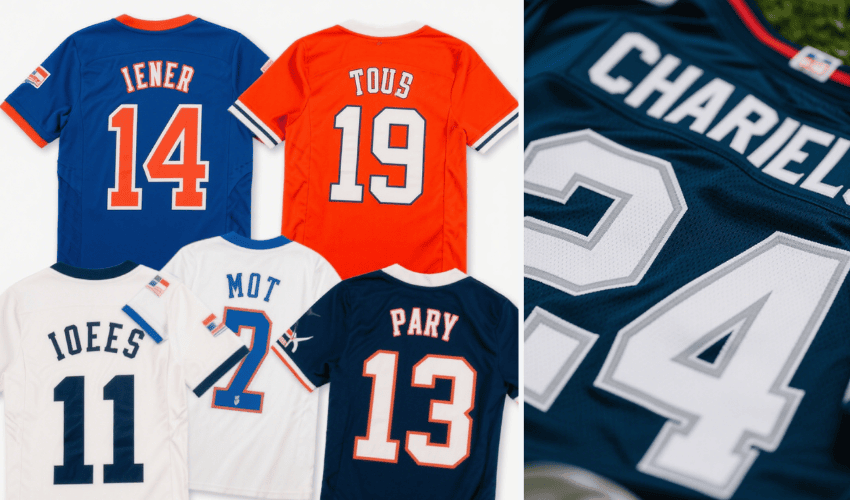
Cost & ROI Analysis for Clubs and Schools
Yes, high-quality Football Jerseys cost more, but consider the ROI:
- Durability: Kits last longer, reducing replacement costs.
- Morale Boost: Players perform better with gear they feel proud in.
- Revenue: Clubs generate massive income from selling fan Team Football Jerseys.
- Compliance: Eco-friendly kits help avoid fines and align with regulations.
Example: A Canadian school district saw overall savings of 18% after switching to sublimated Durable Football Jerseys, as fewer replacements were needed and community sponsorship rose.
Future Outlook – Tech & Innovation
The future of Football Jersey will likely include:
- Smart fabrics that regulate body temperature.
- Integrated microchips for tracking player stats.
- AI-assisted design tools for personalized kits.
- Circular economy jerseys (fully recyclable after use).
These advancements will keep Football Jerseys at the intersection of culture, sport, and technology.
What Should Buyers Check When Sourcing Sustainable Football Jerseys?
Sustainability is becoming an important consideration in sportswear sourcing, but buyers should look beyond general claims such as “eco-friendly” or “green materials.” A responsible purchasing decision requires clear information about material composition, supporting documentation, product performance, and the supplier’s manufacturing practices.
| Evaluation Area | Questions Buyers Should Ask |
|---|---|
| Material Composition | What percentage of the fabric uses recycled content? |
| Material Traceability | Can the supplier provide relevant material documentation? |
| Product Performance | Does the fabric meet the project’s comfort and durability requirements? |
| Dyeing and Printing | What processes and chemical-management controls are used? |
| Certifications | Are relevant certificates valid and applicable to the supplied material or facility? |
| End-of-Life Options | Can the garment be reused, recycled, or handled through an available recovery program? |
Recycled polyester can be a useful option for teams and brands seeking to incorporate recycled materials into their apparel programs. However, recycled content alone does not automatically make a garment fully sustainable. Fabric processing, garment lifespan, transportation, packaging, and end-of-life management should also be considered.
For bulk orders, buyers should request accurate material specifications and supporting documents before approving sustainability-related claims for product labels, marketing materials, or retail listings.

From muddy fields to international arenas, Football Jerseys have traveled a long way. They solve pain points of the past — heavy fabrics, lack of identity, poor durability — and now stand as global symbols of performance, pride, and culture.
Whether it’s School Football Jersey inspiring students, Custom Football Jerseys boosting club identity, or Eco-Friendly Football Jerseys leading sustainability, the football kit has become a universal language — understood across continents, generations, and fanbases.
Bulk Football Jersey Order Checklist for Clubs, Schools, and Buyers
Once the design and product requirements have been established, buyers should review the main production details before confirming a bulk football jersey order. A clear checklist helps keep communication between the buyer and manufacturer organized and reduces avoidable mistakes.
| Checklist Item | What to Confirm |
|---|---|
| Design Artwork | Approved colors, patterns, logos, names, and numbers |
| Fabric Specification | Composition, weight, construction, and selected material |
| Size Breakdown | Quantity required for each size and age group |
| Sample Approval | Fit, appearance, printing, stitching, and measurements |
| Quality Inspection | Fabric defects, seam consistency, color accuracy, and decoration quality |
| Production Schedule | Sample approval date, production time, and dispatch schedule |
| Packaging and Shipping | Individual packaging, carton details, shipping terms, and destination |
Buyers should keep the approved sample or signed-off specifications as a reference for bulk production. If any changes are required after approval, they should be confirmed in writing before manufacturing continues.
For clubs, schools, distributors, and private-label brands, working with a manufacturer that can coordinate design, sampling, customization, and bulk production can make the ordering process more manageable.
The future belongs to jerseys that merge culture, technology, and ritual, ensuring they remain not just uniforms, but icons of the beautiful game.
Frequently Asked Questions About Football Jerseys
1. Why Are Football Jerseys Important to Team Identity and Culture?
Football jerseys are important because they represent a team’s identity, history, and connection with its supporters. Team colors, club crests, patterns, and player numbers help distinguish one team from another while creating a recognizable visual identity. For many supporters, wearing a football jersey is also a way to express loyalty, cultural pride, and a sense of belonging. For clubs, schools, and football academies, custom jerseys provide an opportunity to establish a consistent team image through coordinated colors, personalized details, and distinctive designs.
2. How Do Football Jerseys Reflect Different Countries and Cultures?
Football jerseys reflect different cultures through their colors, symbols, patterns, and design traditions. National teams often use colors associated with their flags or national identity, while club jerseys may incorporate local history, city symbols, traditional patterns, or long-established team colors. Design preferences can also vary between markets. Some teams prefer classic stripes and heritage-inspired details, while others choose bold graphics and contemporary visual styles. These cultural influences make football jerseys more than sports uniforms, turning them into recognizable symbols of regional identity and football heritage.
3. What Materials Are Commonly Used to Make Modern Football Jerseys?
Polyester is one of the most commonly used materials for modern football jerseys because it is lightweight, quick-drying, and compatible with various sportswear printing techniques. Polyester mesh can be incorporated into selected panels to support airflow, while polyester-spandex blends provide additional stretch for certain garment designs. Recycled polyester is another option for buyers interested in incorporating recycled materials into their teamwear programs. The best fabric depends on the intended use, fabric weight, construction, climate, comfort requirements, and production specifications rather than fiber composition alone.
4. What Is the Best Printing Method for Custom Football Jerseys?
The most suitable printing method depends on the jersey fabric, design complexity, order quantity, and desired appearance. Dye sublimation is widely used for polyester football jerseys because it allows detailed graphics, gradients, multiple colors, and all-over designs to be transferred into the fabric. Heat transfer can be suitable for selected names, numbers, and logos, while screen printing may work for certain simpler graphic applications. Before choosing a method, buyers should confirm fabric compatibility, artwork requirements, color accuracy, and the expected conditions of garment use and care.
5. What Should Clubs and Schools Consider Before Ordering Custom Football Jerseys in Bulk?
Before placing a bulk order, clubs and schools should confirm the jersey design, fabric specifications, size breakdown, personalization details, sample approval process, quality inspection requirements, production schedule, and shipping arrangements. It is important to provide accurate team logos, color references, player names, and numbers before production begins. Buyers should also request a size chart and review a physical sample or approved production reference whenever possible. Working with an experienced custom football jersey manufacturer can help coordinate design development, sampling, customization, and bulk production according to the team’s requirements.
References
- “The Evolution of the Football Jersey – An Institutional Perspective.” Authors: David Butler and Robert Butler. Institution: University College Cork. Source: Journal of Institutional Economics, Cambridge University Press, 2021.
- “From Sportswear to Leisurewear: The Evolution of English Football League Shirt Design in the Replica Kit Era.” Authors: Christopher Stride, Jean Williams, David Moor, and Nick Catley. Institution: University of Sheffield and contributing researchers. Source: Sport in History, Volume 35, Issue 1, 2015.
- “Style in the Football Field: Accessories, Colors and Technologies in Soccer’s Fashion.” Author: Museu do Futebol editorial team. Institution: Museu do Futebol, Brazil. Source: Google Arts & Culture.
- “UEFA Equipment Regulations.” Author: Union of European Football Associations (UEFA). Institution: UEFA. Source: UEFA Official Equipment Regulations, including provisions on shirt structure, colors, numbers, names, and decorative elements.
- “FIFA Equipment Regulations.” Author: Fédération Internationale de Football Association (FIFA). Institution: FIFA. Source: FIFA Official Equipment Regulations.
- “Standard Test Methods and Procedures.” Author: American Association of Textile Chemists and Colorists (AATCC). Institution: AATCC. Source: AATCC Technical Testing Standards and Procedures.
- “Materials Market Report 2026.” Author: Textile Exchange. Institution: Textile Exchange. Source: Textile Exchange Annual Materials Market Report, 2026.
- “EU Strategy for Sustainable and Circular Textiles.” Author: European Commission. Institution: Directorate-General for Environment, European Commission. Source: European Commission Sustainable and Circular Textiles Strategy.