Apart from being a basic tool for yoga practice, the choice of yoga leggings is not only a question of personal comfort but also directly influences the whole effect and experience of the practice. Choosing the best yoga leggings calls for many factors like the material, design, fit, utility, and personal preferences.

The choice of components
The materials used to make yoga pants directly affect their comfort, utility, and service life. Common materials include cotton, polyester, nylon, and fibrous fibers with elastic qualities (like spandex). Every chemical has different advantages and disadvantages unique to that particular compound.
Cotton: Yoga pants made of cotton offer great breathability and are nice and flexible. Still, neither their suppleness nor their resistance to wear are very robust. Cotton is fine for beginners or regular use even if it may not be suitable for high-intensity activity as it lacks the required support and durability.
One material that keeps the person dry and quickly drains away sweat is polyester. Its degree of breathability is also really high. Particularly flow yoga and hot yoga, the yoga leggings made of this material are great for practice of different intensities.
Yoga pants made of nylon have elastic, wear and tear resistance, and can sufficiently support the body. Long-term wear is ideal for it as well as it is comfy and somewhat breathable.
Elastic fibers, including spandex: Because they are so flexible and provide a significant degree of support and comfort, spandex is a material fit for yoga practices requiring a considerable degree of stretch and flexibility. It is often mixed with different materials during manufacture to improve the leggings’ overall performance.
Design and appearance in fashion
The style and shape of the yoga pants strongly affect their comfort and use. Choosing the suitable design will help one to improve the practice experience and meet their personal aesthetic needs.
Yoga trousers with a high waist provide additional abdominal support, which helps to maintain good posture and is good for the growth of self-confidence. This design will be rather comfy for those who like high-waist support or additional abdominal support.
Yoga trousers with a low waist are more suitable for those who find comfort and freedom especially attractive. Generally speaking, they are okay for certain simpler workouts and do not apply too much strain on the stomach area.
Yoga leggings fit most people as they are comfortable and supportive and built with the mid-waist in mind. They might be able to help enough without being too demanding.
A jumpsuit’s design allows for total covering and closes any gaps between the top and the pants. Those who dislike changing their clothes might find this design to be rather suitable.
Certain yoga pants have pockets for holding little items like cards, keys, or mobile phones. These compartments have this intended use especially. Regarding daily use, its design is really practical.
In terms of fit and scale
Choosing the right size and fit is the most crucial aspect in guaranteeing that yoga leggings are practical and comfortable. Either overly tight or too loose tights will severely affect the practice experience.
While deciding on a size: Before choosing yoga pants, make sure to review the size chart the company has provided. It is advisable to refer to the size reference that the manufacturer provides as the sizes of different brands could vary from one another. Generally speaking, yoga-oriented leggings should fit close-knit without being too tight and should provide for unhindered movement without sliding down.
Examine for appropriate fit. As you are trying on the yoga pants, see how they react in various kinds of exercises. Make sure the leggings hold their place throughout workouts like squatting, bending over, and stretching without sliding down or restricting the movement. It’s also crucial to consider if friction or pressure causes any discomfort at the same time.
Capacity for affectives
Utility of yoga leggings is one of the most crucial elements influencing their performance in different yoga exercises. Think on the following crucial functioning elements:
ability to breathe: Breathable yoga leggings offer great ability to effectively wick away sweat and keep you dry. Select leggings composed of materials that wick away perspiration if you want to make your exercise more pleasant.
Characteristics of antibiotics: Some yoga leggings include antimicrobial qualities, which could stop germs from growing and reduce the stink they create. Given high-intensity or long-term practice, the value of this cannot be emphasized.
Including both flexibility and support into the design of the workout equipment helps to guarantee a good training experience. Choosing leggings with great degree of flexibility and support will help you to increase your ability to do yoga postures and reduce the possibility of injury.
High abrasion resistance tights allow them to sustain extensive usage without being quickly worn out. Particularly in high-intensity practice, using materials that resist abrasion may help to increase the lifetime of a product.
Personal criteria
Other very important factors to consider when choosing yoga pants are personal tastes and budgetary limits. Yoga leggings vary in cost based on the brand and style, so one must make a choice that is reasonable in line with their own needs and budget.
Individual personal needs: Think about the kind of yoga you perform and frequency of practice. If you primarily do high-intensity yoga, for example, you may want to choose leggings that provide adequate support and resist abrasion. If you like low-intensity yoga, you might want to go for a design that lets more airflow and is more comfortable.
To keep and look after
Another element of the choosing process that has to be taken into account is keeping yoga leggings in good shape. Proper cleaning and storage help to extend the life of leggings.
Just follow the instructions on the label to wash. Usually speaking, it is advisable to machine or hand wash in cold water. One should try not to use bleach and high temperature drying. Leggings’ flexibility and substance should be preserved so it is advisable to use a mild detergent and refrain from mixing them with other clothing.
Where would one store? Yoga leggings should be stored dry and under good ventilation when not in use. You should avoid extended exposure to sunlight or moisture if you want to prevent the content from degrading.
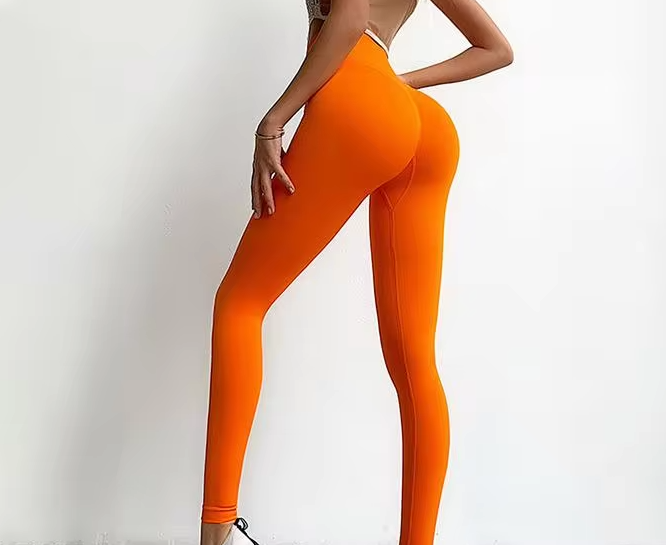
Choosing the best yoga leggings calls for considering many factors, including the material, design, fit, utility, and personal needs. First awareness of the advantages and disadvantages connected with different materials will help you to choose the most appropriate yoga leggings for you. Then, choose the design and size, pay attention to the functioning of the leggings, and finally make decisions that are reasonably priced given your personal budget. Besides, you should try on the item, check reviews, and follow the required safety guidelines. With the help of this post, maybe you will be able to choose the best yoga leggings, thereby enabling you to have a more enjoyable and comfortable practice.