Kurze Zusammenfassung
Wenn eine Nationalmannschaft während einer Weltmeisterschaft das Spielfeld betritt, Kontinentalpokal, oder internationales Turnier, Fans erkennen das Land oft, bevor sie überhaupt die Gesichter der Spieler sehen. Die Farben, Abzeichen, Zahlenstil, Ärmelmuster, Kragenform, und kulturelle Details erzählen zuerst die Geschichte. Ein Fußballtrikot wird in Bewegung zu einer Flagge. Es ist stolz, Erinnerung, Rivalität, Sponsoring, und Designidentität in einem Stück Stoff.
Deshalb Fußballtrikots sind nicht mehr nur Sportbekleidung. Es handelt sich um nationale Identitätssysteme, Fanartikel, Broadcast-Assets, und kommerzielle Produkte. Für Vereine, Schulen, Akademien, Sportbekleidungshändler, und Turnierveranstalter, wählen Fußballtrikots für Mannschaften geht es nicht nur darum, eine Farbe auszuwählen und ein Logo hinzuzufügen. Die bessere Frage ist: Was soll das Trikot kommunizieren?, wie soll es funktionieren, und kann der Hersteller bei Massenproduktion und Nachbestellungen die gleiche Qualität liefern??
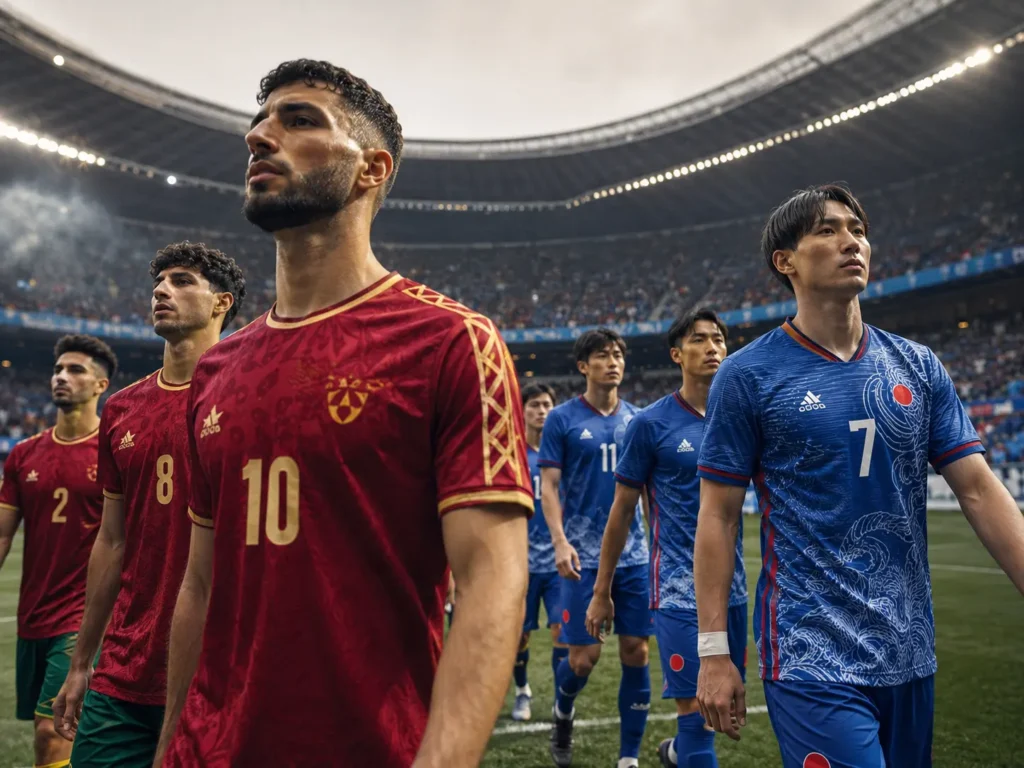
Was sind Fußballtrikots im Kontext der nationalen Identität??
Fußballtrikots werden über Stoff und Nähte hinaus erklärt
Fußballtrikots sind Leistungssportbekleidung, die von Fußballspielern getragen wird, Vereine, Nationalmannschaften, Akademien, Schulen, und Fans. Sie sind normalerweise Teil eines kompletten Ausrüstungssystems, das Trikots umfasst, kurze Hose, Socken, Torwarttrikots, Trainingsshirts, Aufwärmoberteile, und Fan-Versionen. Bei globalen Wettbewerben, Trikots beinhalten viel mehr als nur Stofftechnologie. Sie tragen Nationalfarben, Verbandsabzeichen, historische Bezüge, kulturelle Muster, Spielernamen, Zahlen, und Hersteller-Branding.
Für einen Spieler, Das Trikot ist Wettkampfbekleidung. Für einen Fan, es ist Identität. Für einen Sponsor oder Verband, Es handelt sich um einen hochsichtbaren Medienraum. Für einen Hersteller, Es handelt sich um einen Test der Stoffauswahl, Farbkontrolle, Druckgenauigkeit, Nähqualität, Größenkonsistenz, und Liefermanagement. Deshalb muss ein starkes Fußballtrikot Emotion und Technik in Einklang bringen. Gutes Aussehen ist nur die halbe Miete; Die andere Hälfte übersteht den Schweiß, Zweikämpfe, Waschen, reisen, Kameras, und Fans, die erwarten, dass das Trikot etwas bedeutet.
Warum Nationalmannschaften Trikots als Identitätswerte behandeln
Nationalmannschaften betrachten Trikots als Identitätsmerkmal, da das Trikot das Land vor der Welt repräsentiert. Ein Trikot kann zu einer Ikone werden, wenn es mit einem historischen Tor verbunden ist, ein legendärer Spieler, oder ein Turnier-gewinnender Moment. Einst verbinden Fans ein Trikot mit Nationalstolz, es wird mehr als nur Kleidung. Mit Ärmeln wird es zur Erinnerung.
Für Einkäufer und Teamwear-Marken, Daraus ergibt sich eine wichtige Lektion: Design sollte nicht zufällig sein. Wenn es sich um ein Trikot für ein Turnier im nationalen Stil handelt, Details des kulturellen Designs sind wichtig. Wenn es um eine Fußballakademie geht, Schule, oder Verein, Die lokale Identität ist immer noch wichtig. Die stärksten Designs verwenden Farben, Abzeichen, Muster, und Personalisierung, um Zugehörigkeit zu schaffen, nicht nur Dekoration.
Nationalfarben: Der schnellste Weg, mit Fußballtrikots Anerkennung zu schaffen
Warum Farbe das erste Identitätssignal ist
Farbe ist das schnellste Identitätssignal im Fußball. Brasilien wird stark mit Gelb und Grün assoziiert. Argentinien ist an den himmelblauen und weißen Streifen zu erkennen. Frankreich verwendet oft tiefes Blau. Italien ist mit Blau verbunden. Deutschland bleibt durch Weiß und Schwarz in Erinnerung. Spanien ist mit Rot verbunden. Bevor die Fans das Abzeichen sehen, Sie erkennen oft die Farbe.
Aus diesem Grund müssen Nationalmannschafts-Fußballtrikots die Kernfarbidentität schützen. Moderne Aktualisierungen können durch tonale Muster hinzugefügt werden, Kragendetails, Ärmeltexturen, oder Heritage-Grafiken, aber das Hauptfarbsystem sollte erkennbar bleiben. Für den weltweiten Designvergleich, dieser Artikel auf Fußballtrikot-Trend und individuelle Designs zeigt, wie verschiedene Länder Farben und Muster verwenden, um die visuelle Identität im Wettkampffußball zu prägen.
Häufige Farbfehler beim Design von Fußballtrikots
Zu den häufigsten Farbfehlern gehört die Verwendung von Farben, die zu nahe an den Trikots des Gegners liegen, Wählen Sie einen schwachen Kontrast zwischen Zahlen und Trikothintergründen, Übermäßige Verwendung von Farbverläufen, die die Lesbarkeit beeinträchtigen, Genehmigung von Farben nur aus digitalen Modellen, und die Nationalfarben so aggressiv zu ändern, dass sich die Fans nicht mehr verbunden fühlen. Ein Trikot kann modern sein, ohne unkenntlich zu werden. Designer vergessen das manchmal. Fans nicht.
| Farbstrategie | Identitätseffekt | Beste Verwendung | Käuferwarnung |
|---|---|---|---|
| Traditionelle Nationalfarbe | Starke Anerkennung und Fanvertrauen | Heimtrikots und offizielle Teambekleidung | Vermeiden Sie es, das Design veraltet aussehen zu lassen. |
| Modernes Klang-Update | Frisch, aber immer noch erkennbar | Trikots und Akademie-Kits der neuen Saison | Halten Sie den Zahlenkontrast stark. |
| Kontrastfarbe des Auswärtstrikots | Verbessert die Sichtbarkeit von Spielen | Turnier- und Ligaeinsatz | Trennen Sie sich nicht vollständig von der Identität. |
| Vom Erbe inspirierte Palette | Fügt Geschichte und Emotionen hinzu | Jubiläums-Kits und Fanartikel | Braucht klares Storytelling. |
Abzeichen, Symbole, und Details zum Erbe
Das Abzeichen als Herzstück von Fußballtrikots
Das Abzeichen ist oft der emotionale Mittelpunkt von Fußballtrikots. Es kann nationale Symbole enthalten, Föderationsidentität, Schilde, Sterne, Tiere, Kronen, oder historische Referenzen. Der Abzeichenstil beeinflusst, wie hochwertig sich das Trikot anfühlt. Gestickte Abzeichen schaffen Tiefe und Tradition. Gewebte Aufnäher wirken edel. Wärmeübertragungsabzeichen reduzieren das Gewicht. Sublimierte Abzeichen können für budgetfreundliche Designs oder Vollmusterdesigns geeignet sein.
Die richtige Abzeichenmethode hängt vom Zweck des Trikots ab. Wenn der Käufer professionelle Wettkampftrikots herstellt, Eine leichte Abzeichenkonstruktion kann bevorzugt werden. Wenn der Käufer Fanartikel oder hochwertige Einzelhandelstrikots herstellt, Ein gewebtes oder gesticktes Abzeichen kann den wahrgenommenen Wert verbessern. Wenn der Käufer Massen-Teambekleidung für Schulen oder Akademien herstellt, Haltbarkeit und Kostenkontrolle könnten wichtiger sein.
Kulturelle Muster und lokales Geschichtenerzählen
Das Design moderner Fußballtrikots beinhaltet zunehmend subtiles kulturelles Geschichtenerzählen. Ein Trikot im Nationalstil kann traditionelle Textilmotive verwenden, architektonische Linien, Karteninspirierte Grafiken, historische Symbole, regionale Muster, oder Ton-in-Ton-Traditionsstrukturen. Ein Vereinstrikot kann Angaben zum Gründungsjahr enthalten, Maskottchenelemente, Grafiken der Skyline der Stadt, oder lokale Symbole.
Der Schlüssel ist Zurückhaltung. Kulturelle Details sollten die Identität unterstützen, das Design nicht ersticken. Dezente Hintergrundmuster wirken oft hochwertiger als auffällige Dekorationen. Wenn ein Käufer mehr Personalisierungslogik für Vereine und Akademien benötigt, dieser Artikel auf Trends bei individuellen Fußballtrikots erklärt, wie Team-exklusive Elemente, Spielerdetails, und Identitätsgrafiken können in moderne Trikotdesigns integriert werden, ohne das Trikot in ein Poster zu verwandeln.

Namen und Nummern: Funktion, Identität, und Regulierung
Warum die Lesbarkeit von Zahlen im globalen Wettbewerb wichtig ist
Namen und Nummern sind nicht nur dekorativ. Sie helfen Schiedsrichtern, Trainer, Kommentatoren, Rundfunkveranstalter, Fans, und Videobewertungssysteme identifizieren Spieler. Bei globalen Wettbewerben, Die Lesbarkeit der Zahlen ist unerlässlich. Eine wunderschöne Zahlenschrift, die verschwindet 30 Meter entfernt ist nicht kreativ; Es ist ein Problem, Typografie zu tragen.
Käufer sollten die Nummerngröße überprüfen, Kontrast, Platzierung, Schriftstärke, und Sichtbarkeit unter Stadionbeleuchtung. Dunkle Zahlen auf dunklen Mustern, Dünne Schriftarten auf unruhigen Hintergründen, und kontrastarme Farbkombinationen können am Spieltag zu Problemen führen. Einige Ligen und Turniere regeln die Anzahl der Spieler, Sponsorplatzierung, Spielernamen, und Farbkontrast, Daher sollte die Produktion nicht beginnen, bevor die Wettbewerbsanforderungen bestätigt sind.
Benutzerdefinierte Schriftarten und Player-Personalisierung
Benutzerdefinierte Schriftarten können bei sorgfältiger Verwendung die Identität stärken. Sie können den nationalen Stil widerspiegeln, Vereinserbe, oder Markenpersönlichkeit. Spielernamen und -nummern erzeugen auch einen emotionalen Wert, da Fans häufig Trikots kaufen, die mit bestimmten Spielern oder Turniererinnerungen verknüpft sind.
Wärmeübertragung ist bei einzelnen Namen und Nummern üblich. Durch die Sublimation können Namen und Nummern in vollständig individuelle Massendesigns integriert werden. Der Siebdruck eignet sich möglicherweise für wiederholte Nummern bei großen Bestellungen. Vor der Produktion, Käufer sollten die Rechtschreibung sperren, Nummernliste, Schriftstil, Farbkontrast, und Größenplatzierung. Eine „fast fertige“ Tabellenkalkulation ist der Ort, an dem sich das Produktionschaos gerne ausbreitet.
Stoffleistung: Nationale Identität braucht immer noch Spielkomfort
Why Fabric Quality Matters More Than Design Alone
A jersey may look powerful during a launch campaign, but it fails if players feel overheated, restricted, or soaked during a match. Football Jerseys need lightweight, atmungsaktiv, schnell trocknend, dauerhaft, and washable fabrics. Zu den gängigen Optionen gehört Polyester-Interlock, Vogelaugennetz, Jacquard-Polyester, recyceltes Polyester, Polyester-Spandex-Mischungen, and mesh panel fabrics.
Fabric GSM affects weight, Opazität, Atmungsaktivität, und Haltbarkeit. Player-version jerseys often use lighter, more technical fabrics with a closer fit. Fan-version jerseys may prioritize comfort, Haltbarkeit, washing stability, and cost balance. Buyers comparing performance levels should understand the difference between professional soccer jerseys vs casual soccer jerseys before choosing fabric and production specifications.
Feuchtigkeitstransportierend, Atmungsaktivität, and Movement
Players sweat heavily during global competitions, especially in hot climates. Moisture-wicking fabric helps move sweat away from the skin. Mesh panels improve ventilation. Stretch improves movement around the shoulders, Ärmel, und Rumpf. Too-thin fabric may reduce durability or become transparent under strong lighting, while heavy fabric may feel uncomfortable in intense matches.
| Stofftyp | Typical GSM Range | Performance Feature | Beste Verwendung |
|---|---|---|---|
| Polyester-Interlock | 130–180 GSM | Smooth surface and stable print effect | General Football Jerseys and team kits |
| Vogelaugennetz | 140–170 GSM | Breathability and moisture movement | Hot climates and training jerseys |
| Jacquard-Polyester | 150–190 GSM | Textured premium appearance | Club kits and retail-style jerseys |
| Polyester-spandex blend | 160–220 GSM | Stretch and movement comfort | Premium player-fit jerseys |
Sublimation and Printing Technology in Modern Football Jerseys
Why Sublimated Football Jerseys Are Popular
Sublimation is popular because it allows full-body graphics, Farbverläufe, kulturelle Muster, shadow textures, Sponsor-Layouts, and integrated color effects. The ink becomes part of polyester fabric, so the jersey stays smooth and lightweight. This makes sublimation useful for national-style designs, club kits, Akademieuniformen, Schulteams, and tournament jerseys.
If the jersey includes complex heritage graphics or all-over design, sublimation is often the best method. If the jersey only needs a badge and numbers, heat transfer may be easier. If the jersey is designed as premium merchandise, badge method, Etiketten, fit, Verpackung, and retail details also matter.
Sublimation vs. Heat Transfer vs. Stickerei
| Production Method | Beste Verwendung | Design Freedom | Buyer Recommendation |
|---|---|---|---|
| Sublimation | Full-body graphics and cultural patterns | Sehr hoch | Choose for complex polyester jerseys. |
| Heat transfer | Names, Zahlen, Sponsorenlogos | Medium | Choose for flexible personalization. |
| Stickerei | Premium badges | Low for large graphics | Use for badge value, not full designs. |
| Siebdruck | Simple repeated logos | Medium | Best for simple bulk graphics. |
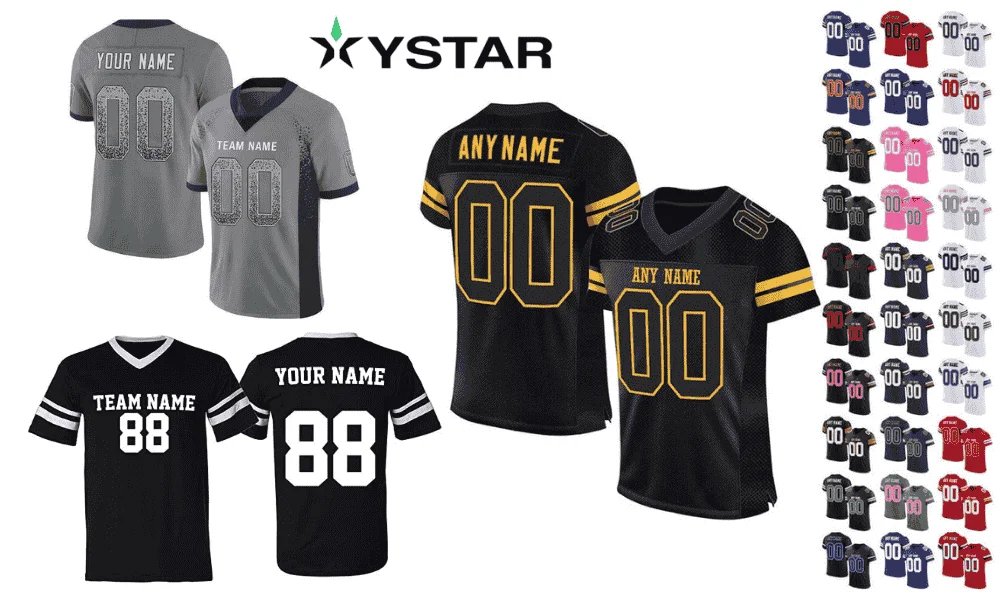
Heim, Away, and Goalkeeper Kits as a National Identity System
Home Jerseys: Protecting the Core National Image
Home jerseys usually protect the strongest national colors. They should be instantly recognizable and emotionally familiar. Fans often prefer continuity because the home kit feels closest to national tradition. Designers can modernize details, but the core identity should remain stable.
Away Jerseys: Creative Space and Contrast
Away jerseys provide contrast against opponents and allow more creativity. They can use secondary colors, cultural graphics, or modern design experiments. Jedoch, they should still connect to national identity. If an away jersey becomes too random, fans may ask the cruel but fair question: “Which country is this again?”
Goalkeeper Kits: Function and Visibility
Goalkeeper jerseys must be visually distinct from field players, opponents, and referees. They may use bolder colors, lange Ärmel, or slightly different fits. Goalkeeper kits still contribute to the full identity system, especially in retail sets and team photos.
| Kit Type | Identity Role | Design Freedom | Käuferwarnung |
|---|---|---|---|
| Home jersey | Core national recognition | Medium | Do not weaken core colors. |
| Away jersey | Contrast and creativity | Hoch | Keep a link to identity. |
| Goalkeeper jersey | Visibility and team system | Hoch | Must be distinct from other players. |
Football Jerseys and Fan Culture
Why Fans Buy Jerseys as Identity Symbols
Fans buy Football Jerseys because they represent belonging. A jersey connects fans to a country, a player, a tournament, a memory, or a community. Global competitions create emotional moments that drive retail demand. A jersey worn during a historic victory can become collectible for years.
Fan versions should balance authenticity, Komfort, Haltbarkeit, und Preis. A fan may not need the same lightweight fabric as a professional player, but they still expect the jersey to look official, wash well, fit comfortably, and carry emotional value.
Replik vs. Player Version Football Jerseys
Player version jerseys are usually lighter, more fitted, and performance-focused. Replica jerseys are usually more durable, komfortabel, and cost-friendly for fans. Training versions may use simpler fabrics and less complex decoration. Budget teamwear versions prioritize bulk affordability and practical durability.
| Version Type | Fabric Feel | Fit | Bester Käufer |
|---|---|---|---|
| Spielerversion | Lightweight and technical | Slim or athletic | Professional teams and premium buyers |
| Replica version | Comfortable and durable | Regular | Fans and retail sellers |
| Günstige Teamkleidung | Practical and washable | Regular | Schulen, Vereine, and bulk team orders |
Commercial Value: Sponsors, Hersteller, and Global Visibility
Football Jerseys as Advertising Space
In club competitions, sponsor placement is a major commercial asset. In national team contexts, federation rules and competition regulations may limit sponsor use, but manufacturer branding, federation badge, and retail presentation still matter. Logo position, Größe, Kontrast, and durability must be controlled carefully.
Poor logo placement can damage the entire design. A sponsor logo that fights with the pattern, disappears on a dark background, or peels after washing turns a jersey from identity asset into complaint magnet. Buyers should test sponsor visibility in mockups and physical samples before bulk production.
Manufacturer Branding and Quality Perception
A jersey’s quality reflects the team and the manufacturer. Stoffhandgefühl, Nähen, print durability, Größengenauigkeit, Verpackung, and delivery performance all influence buyer trust. For distributors, repeatable quality supports long-term orders. For private label brands, label design and packaging also affect retail value.
Regulations and Competition Requirements
What Teams Must Check Before Production
Competitions may regulate number size, player name placement, sponsor areas, badge size, Farbkontrast, and goalkeeper distinction. Federations or leagues may require approval before match use. Youth teams and schools may require safe materials, readable care labels, and durable washing performance.
For buyers preparing tournament or international-style orders, this football jersey sourcing guide is useful for understanding sourcing logic, fabric planning, customization choices, and production preparation before high-demand football seasons.
Textile and Quality Testing for Football Jerseys
| Testgegenstand | Warum es wichtig ist | Käuferscheck | Risk if Ignored |
|---|---|---|---|
| Farbechtheit beim Waschen | Protects color identity | Ask for wash testing or sample wash review | Fading and color complaints |
| Schwindung | Controls fit after washing | Review fabric and garment stability | Size disputes and returns |
| Print adhesion | Protects names, Zahlen, und Logos | Test after washing and stretching | Peeling and sponsor complaints |
| Nahtfestigkeit | Supports match durability | Check stitching and stress points | Tearing during play |
Global Football Jersey Design Trends
Heritage Revival
Many teams are bringing back retro collars, vintage stripes, classic color palettes, and historic badge references. Heritage designs work because fans enjoy emotional connection to past eras. The best heritage jerseys update old identity with modern fabrics, not old comfort levels. Nostalgia is lovely; sweaty polyester from the 1980s is less lovely.
Minimalist National Symbols
Subtle national patterns, tone-on-tone graphics, and clean color blocking are becoming more popular. Minimalism helps jerseys look premium, camera-friendly, and easier to wear as lifestyle apparel. This trend works well for national teams, modern clubs, and private label sportswear brands.
Bold Away Kits and Limited Editions
Away and third kits allow stronger creativity. Limited editions can increase retail demand and fan excitement. Jedoch, too much creativity can weaken recognition. If the design does not connect back to the team identity, it may look interesting but fail emotionally.
Sustainable Football Jerseys
Recycled polyester and eco-conscious materials are increasingly used in sportswear. Sustainability claims must be supported by documentation. Buyers should still test fabric feel, Farbstabilität, Atmungsaktivität, und Haltbarkeit. A sustainable jersey that performs poorly will not win fans; it will just lose politely.
Common Mistakes When Ordering Football Jerseys
Fehler 1: Designing for Appearance Only
A jersey may look good in mockups but perform poorly during matches. Buyers should confirm fabric weight, Atmungsaktivität, washing stability, Größentoleranz, and print durability before final production.
Fehler 2: Ignoring Number Readability
Players may be hard to identify during matches or broadcasts if numbers lack contrast. Use clear fonts, strong background contrast, and realistic viewing checks.
Fehler 3: Overloading Cultural Elements
Too many symbols, Muster, and gradients can make the jersey visually busy. Use cultural details as design support, not decoration overload.
Fehler 4: Sending Incomplete Name and Size Lists
Wrong names, wrong numbers, and size errors often start with unfinished spreadsheets. Use a locked final name-number-size list before production.
Fehler 5: Choosing Supplier by Price Only
Low price can hide poor fabric, weak stitching, inaccurate colors, low print durability, and delivery problems. Choose a supplier with sample support, artwork checking, Qualitätskontrolle, and repeat-order capability.
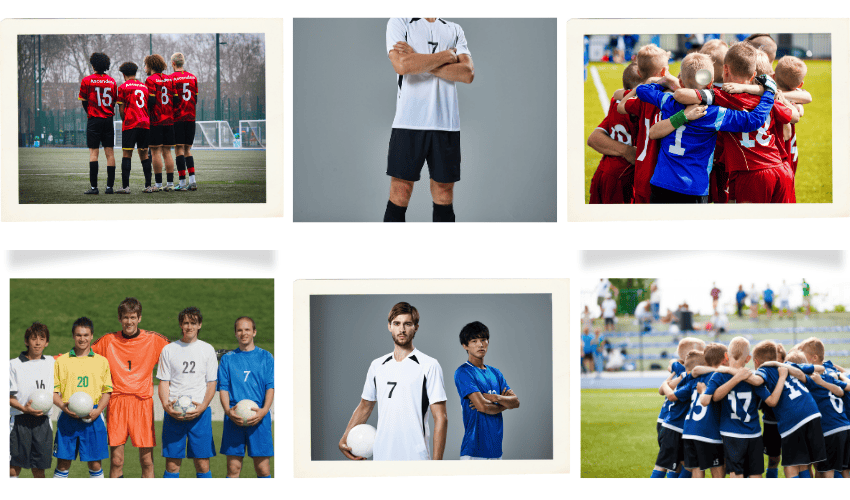
How to Choose a Reliable Football Jerseys Manufacturer
What a Professional Manufacturer Should Provide
Ein Profi Hersteller von Fußballtrikots should provide fabric options, GSM-Daten, Größentabellen, design mockups, color reference support, Sublimation, Wärmeübertragung, Siebdruck, embroidery options, badge choices, name-number checking, Mustergenehmigung, bulk production control, Qualitätskontrolle, private label support, packaging support, export documentation, lead time confirmation, reorder support, and after-sales communication.
Supplier background matters because teamwear orders are detail-heavy. Käufer können bewerten Ystar Wear football jersey manufacturer capability when evaluating product scope, production experience, customization support, and B2B communication before placing bulk orders.
Manufacturer vs. Supplier vs. Wholesale Buyer Logic
If you need custom national-style jerseys, choose a Football Jerseys manufacturer with design and sublimation capability. If you need broader product sourcing, choose a supplier with multiple sportswear categories. If you need distributor-level bulk orders, compare Football Jerseys wholesale options but verify fabric consistency and color control. If you need private label teamwear, choose an OEM factory with label, Verpackung, and repeat-order support.
For project discussion, buyers can contact Ystar Wear with team identity, Farben, badge files, player list, Stoffpräferenz, Druckverfahren, Größenbereich, and delivery schedule. A clear brief helps the manufacturer recommend suitable Football Jerseys instead of guessing. Guessing is not sourcing. It is just optimism with a deadline.
Recommended Buyer Checklist Before Ordering
| Checklist Item | Warum es wichtig ist | Buyer Action |
|---|---|---|
| Team identity | Guides color, Abzeichen, and pattern direction | Provide brand colors, logo files, and style references. |
| Fabric type | Affects comfort and performance | Confirm GSM, Atmungsaktivität, strecken, and washing behavior. |
| Name-number list | Prevents personalization errors | Use a locked final spreadsheet before production. |
| Competition rules | Avoids number, Logo, and color compliance issues | Confirm rules before artwork approval. |
FAQ: Fußballtrikots und nationale Identität
1. How do Football Jerseys represent national identity?
Football Jerseys represent national identity through colors, Abzeichen, kulturelle Muster, historische Bezüge, Spielernamen, Zahlen, and design details that connect players and fans to a country’s football heritage. Bei globalen Wettbewerben, the jersey becomes a visual symbol that communicates pride, Einheit, and recognition before the match even begins.
2. Why are national team Football Jerseys so important?
National team Football Jerseys are important because they act as wearable symbols during global competitions. They help fans recognize the team instantly, express national pride, and connect emotionally with tournament moments. A strong jersey can become iconic when linked with legendary players, historic goals, or major international victories.
3. What fabric is best for Football Jerseys?
Polyester performance fabrics are widely used for Football Jerseys because they are lightweight, atmungsaktiv, schnell trocknend, dauerhaft, and suitable for sublimation printing. Vogelaugennetz, polyester interlock, Jacquard-Polyester, recyceltes Polyester, and polyester-spandex blends may be selected depending on match intensity, Klima, Budget, fit style, and buyer requirements.
4. Are sublimated Football Jerseys good for custom designs?
Ja, sublimated Football Jerseys are good for custom designs because sublimation supports full-body graphics, Farbverläufe, national symbols, kulturelle Muster, and integrated design details. The print becomes part of the polyester fabric, helping the jersey remain lightweight and smooth. It is especially useful for custom football kits, Akademieuniformen, Turniertrikots, and teamwear bulk orders.
5. What should buyers check before ordering Football Jerseys?
Buyers should check fabric type, GSM, Größentabelle, color references, badge method, Druckverfahren, name-number list, competition rules, Mustergenehmigung, Nähqualität, print durability, Verpackung, Lieferzeit, und Nachbestellungsunterstützung. For bulk orders, buyers should also confirm colorfastness, Schwindung, Nahtfestigkeit, and supplier production consistency before approving mass production.
Referenzen
1. Football and National Identity — Richard Giulianotti — International Review for the Sociology of Sport.
2. Soccer and Society: Politics, Kultur, and the World’s Most Popular Sport — David Goldblatt — Global Sports History Reference.
3. The Ball is Round: A Global History of Football — David Goldblatt — Penguin Books.
4. Sportswear Design: Leistung, Technology and Fashion — Joanne Yip and Winnie Yu — Woodhead Publishing.
5. Textile Testing and Analysis — Billie J. Collier and Helen H. Epps — Pearson Education.
6. FIFA Equipment Regulations — FIFA — Football Match Equipment Guidance.
7. Textilien: Tests for Colour Fastness — International Organization for Standardization — ISO 105 Series.
8. Standard Test Methods for Colorfastness to Laundering — AATCC — Textile Testing Standards.
How Football Jerseys Build National Identity and Buyer Value
How should buyers understand Football Jerseys?
Fußballtrikots are not only matchwear. They are national identity carriers, team branding tools, fan merchandise products, and performance garments. Bei globalen Wettbewerben, a jersey communicates country, Kultur, Stolz, and team unity before the match even begins. The strongest football jerseys combine visual recognition with fabric comfort, print durability, Größengenauigkeit, and manufacturing consistency.
Why do Football Jerseys shape national identity?
Football Jerseys shape national identity because they turn colors, Abzeichen, cultural graphics, historische Bezüge, Spielernamen, and numbers into a wearable visual system. Fans recognize teams through these design signals instantly, whether they are watching inside a stadium, on television, or through social media. A well-designed jersey can become linked to historic goals, legendary players, and unforgettable tournament moments.
What option should different teams or buyers choose?
If the goal is strong national recognition, choose traditional colors, clear badges, lesbare Zahlen, and subtle cultural details. If the goal is modern retail appeal, use creative away kits, limited-edition graphics, or heritage-inspired patterns. Wenn die Bestellung für Schulen gilt, Akademien, Vereine, or distributors, choose breathable polyester fabrics, durable stitching, stabile Dimensionierung, and reliable print methods. If delivery time is tight, use proven templates and stock fabrics instead of over-customizing every panel.
What should buyers consider before production?
Buyers should confirm team identity, home color, away color, goalkeeper color, badge file, sponsor file, player name-number list, number font, Stofftyp, GSM, fit style, Größentabelle, Kragenstil, Ärmelstil, Druckverfahren, badge method, Mustergenehmigung, competition rules, color reference, Verpackung, Lieferfrist, reorder plan, and supplier capability. These details reduce production risk and prevent common problems such as wrong colors, unreadable numbers, weak stitching, print peeling, and size disputes.
What is the practical recommendation?
Do not choose Football Jerseys only by appearance. Choose by identity value, match performance, fan appeal, Einhaltung von Vorschriften, and production stability. A strong football jersey should look recognizable on the pitch, feel comfortable during play, photograph well under stadium lighting, satisfy fans, and remain consistent across bulk orders and reorders.
What is the next step for buyers?
Before asking for a quote, prepare team colors, badge files, Sponsorenlogos, player name-number lists, size requirements, fabric preferences, design references, and delivery schedules. With clear project information, a professional football jersey manufacturer can recommend the right fabric, Druckverfahren, badge solution, and production plan for national-style, club-level, or wholesale teamwear projects.