Rychlé shrnutí
Rychlé shrnutí: Mesh Shorts are a versatile choice for running, trénink v tělocvičně, and casual wear because they combine breathable fabric, quick-dry comfort, and relaxed styling. Buyers should choose running mesh shorts, breathable mesh shorts, or custom mesh shorts based on fabric GSM, liner design, inseam length, pocket security, waistband recovery, and supplier quality control.A good pair of Síťované šortky looks simple, but the buying decision is not simple at all. A runner needs shorts that stay breathable during hot-weather training. A gym user needs flexible movement and sweat control. A casual wearer wants comfort, kapsy, and enough opacity for daily use. A sportswear brand or wholesaler needs stable sizing, repeatable production, fabric testing, and private-label support. Same product name, very different expectations.
That is why choosing the right Mesh Shorts should not start with color or price. It should start with the use case. Shorts designed for running should be lighter, quicker-drying, and more secure at the waist. Shorts designed for casual wear should offer better opacity, pocket function, and relaxed comfort. Shorts designed for wholesale or OEM production must also meet fit tolerance, wash stability, labeling, and quality control requirements.
For buyers comparing performance sportswear styles, a dedicated Síťované šortky category is a useful starting point because it allows you to evaluate fabric structure, délka, vejít se, color options, and customization direction before moving into sample development or bulk ordering. The best product is not always the thinnest, lightest, or cheapest. It is the pair that matches the user’s activity, klima, comfort expectation, and brand positioning.
What Are Mesh Shorts?
Mesh Shorts Explained in Simple Terms
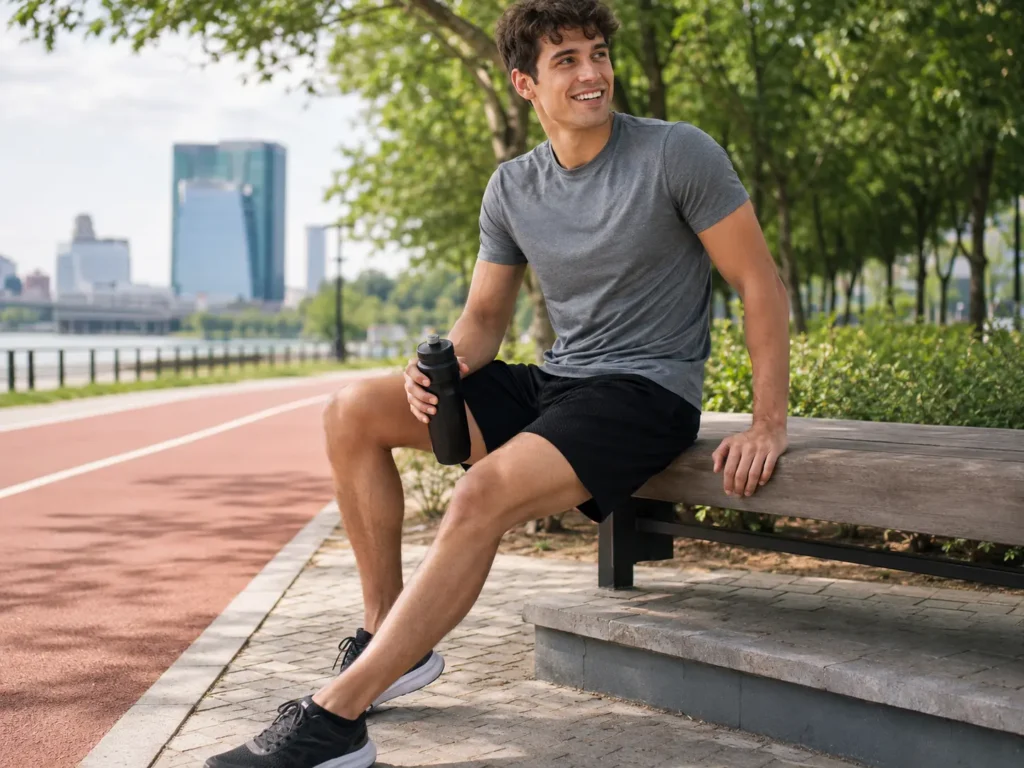
Mesh Shorts are shorts made from knitted or engineered mesh fabric with visible or micro-perforated openings that help improve airflow. The fabric structure allows heat and moisture to escape more easily than many dense woven materials. This is why mesh is widely used in running shorts, basketbalové šortky, gym shorts, team uniforms, summer casualwear, and private-label activewear.
Most modern mesh shorts are made from polyester, nylon, směsi spandexu, or recycled polyester. Polyester mesh is common because it is durable, lehká váha, rychleschnoucí, and suitable for moisture-wicking finishes. Nylon mesh can feel smoother and more premium depending on the construction. Spandex may be added when brands need extra stretch. For activewear buyers, the material choice affects comfort, prodyšnost, neprůhlednost, rychlost sušení, and long-term shape retention.
Why Mesh Fabric Feels Different From Regular Shorts
Compared with regular woven shorts, mesh shorts usually feel softer, airier, and more relaxed. The fabric can drape naturally, move with the body, and dry faster after sweat exposure. For running and gym training, this helps reduce heat buildup. Na běžné nošení, it creates a sporty, effortless look that works with T-shirts, mikiny s kapucí, tanky, and streetwear outfits.
nicméně, mesh fabric also has risks. If the GSM is too low, the shorts may become see-through. If the mesh holes are too open, the fabric may lose structure. If the waistband is weak, the shorts may stretch out after washing. If the stitching is poor, the inner thigh seams may cause friction or fail under repeated movement. Mesh is comfortable, but only when the construction is done properly. Cheap mesh shorts can become “air-conditioned regret” very quickly.
Running vs Casual Wear: What Should You Choose?
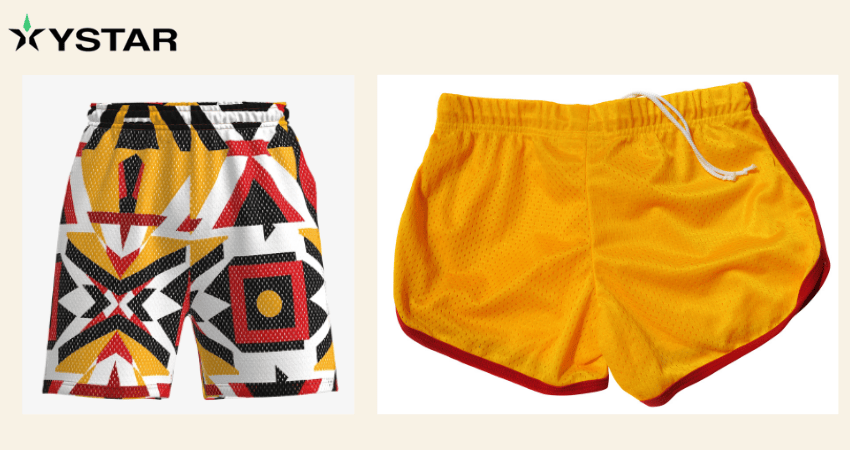
Mesh Shorts for Running
Running shorts should prioritize movement, kontrola potu, a stabilitu. A runner repeats the same stride thousands of times, so small details matter. A loose waistband can slide. A rough seam can cause chafing. A heavy fabric can feel hot after the first mile. A loose side pocket can bounce with every step and become unbelievably annoying. For running, the best choice is usually lightweight, quick-dry, breathable mesh shorts with a secure waistband and lower-friction construction.
If the main use is running, choose běžecké šortky ze síťoviny with a 3-inch to 7-inch inseam, depending on coverage preference. Hot-weather runners may prefer lighter polyester mesh. Runners who carry keys, karty, or small phones should look for a zipper pocket or inner key pocket. If the user dislikes layering underwear or compression shorts, a built-in liner can improve support and reduce friction.
For buyers comparing multi-sport product positioning, this guide to the best mesh shorts for gym, běh, basketball, a letní aktivity supports a broader selection logic: running styles are different from basketball styles, and casual summer shorts need different fabric weight and pocket planning.
Mesh Shorts for Casual Wear
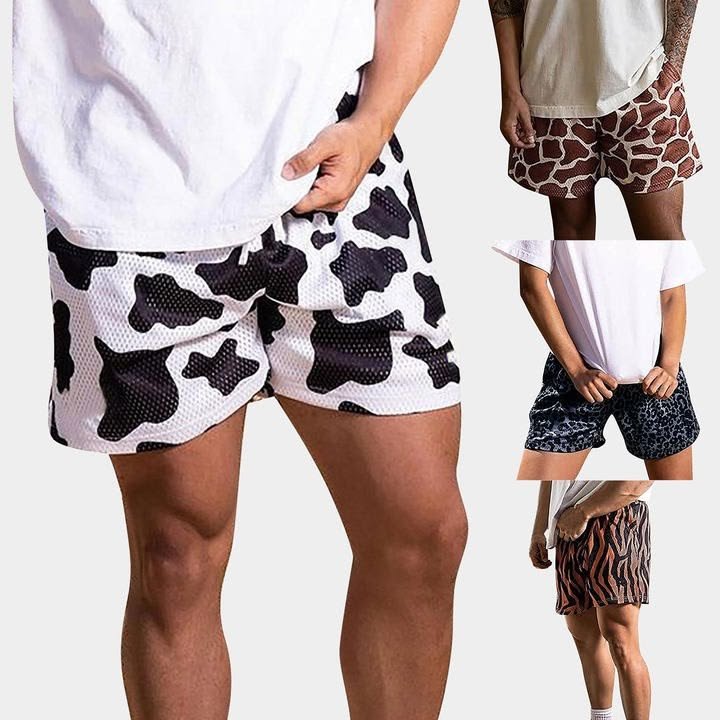
Casual mesh shorts should feel comfortable outside the gym. That means the fabric should not be too transparent, the pockets should be usable, and the fit should look relaxed without becoming sloppy. A slightly heavier fabric is often better for casual wear because it improves opacity, přikrýt, and structure. Side pockets are usually expected. A softer waistband also matters because casual users may wear the shorts for hours while traveling, lenošení, walking, nebo vyřizování pochůzek.
If the main use is daily wear, choose casual mesh shorts with better opacity, a relaxed leg opening, practical side pockets, and a stable waistband. If the style direction is streetwear, a 7-inch to 9-inch inseam can work well. If the style direction is minimalist, solid colors, clean stitching, and subtle logo placement are safer. If the fabric feels too thin in hand, it may not be suitable for outdoor casual wear.
Running Mesh Shorts vs Basketball Mesh Shorts vs Casual Mesh Shorts
| Short Type | Typical Inseam | Hmotnost látky | Nejlepší použití | Main Buyer Risk |
|---|---|---|---|---|
| Running Mesh Shorts | 3–7 inches | 90–140 GSM | Běh, výcvik, hot weather | Too loose, tření, pocket bounce |
| Basketball Mesh Shorts | 7–11 inches | 140–220 GSM | Basketball, streetwear, běžné civilní oblečení | Too heavy for running |
| Casual Mesh Shorts | 5–9 inches | 130–200 GSM | Everyday wear, lenošení, cestovat | Too thin or transparent |
| Gym Mesh Shorts | 5–8 inches | 120–180 GSM | Lifting, kardio, mixed training | Poor pocket security |
Fabric Matters: How to Choose the Right Mesh Material
Polyester Mesh Shorts
Polyester is one of the most common choices for athletic mesh shorts because it is durable, lehká váha, and suitable for quick-dry or moisture-wicking treatments. It is widely used in running shorts, gym shorts, basketbalové šortky, school sportswear, and promotional activewear. Pro B2B kupující, polyester mesh also supports stable bulk production and consistent color development.
The key is not just “polyester” but the quality of the yarn, pletená struktura, hmotnost tkaniny, proces barvení, and finishing. A 100% polyester mesh short may feel cheap if the yarn is rough or the fabric is too open. A well-developed polyester mesh can feel smooth, prodyšný, a odolný. For running, lighter GSM is often preferred. Na běžné nošení, slightly heavier GSM usually provides better coverage.
Nylon Mesh Shorts
Nylon mesh can feel smoother and stronger depending on construction. It may be used for premium activewear, lightweight technical shorts, and higher-end private-label products. Nylon can provide a softer hand feel, but it may cost more and should be tested for drying speed, stálobarevnost, and shape retention.
For brands targeting premium gymwear or fashion-active crossover collections, nylon blends may offer a better touch. For large-volume wholesale sportswear, polyester is often more practical. The best choice depends on price point, end use, and brand positioning.
Recycled Polyester Mesh Shorts
Sustainability is becoming more important in activewear sourcing. Recycled polyester mesh shorts can support a stronger brand story, especially for private-label sportswear brands selling in markets where consumers care about lower-impact materials. But sustainability claims must be backed by documentation. Buyers should request certifications, fiber composition records, and supplier declarations instead of relying on vague “eco-friendly” descriptions.
For brands planning customized activewear programs, a custom mesh shorts manufacturing process should include fabric selection, sample fitting, label planning, shrinkage control, color approval, and bulk QC. This is especially important when using recycled fibers or new fabric structures because performance and hand feel must still meet customer expectations.
Mesh Fabric Parameters Buyers Should Check
| Parametr | Common Range / Checkpoint | Proč na tom záleží |
|---|---|---|
| Fabric weight | 90–220 GSM | Controls breathability, neprůhlednost, a trvanlivost |
| Fiber content | Polyester, nylon, směsi spandexu | Affects hand feel and performance |
| Stretch | Mechanical or spandex stretch | Improves movement comfort |
| Řízení vlhkosti | Wicking or dry-rate testing | Reduces sweat cling |
| Stálobarevnost | Washing and rubbing test | Prevents fading or bleeding |
| Shrinkage | Target often under 3–5% | Protects size stability |
Fit and Length: What Works Best for Running and Daily Wear?
3-Inch to 5-Inch Mesh Shorts
Shorter mesh shorts are best for serious running, track workouts, hot-weather training, and users who want maximum freedom of movement. They reduce fabric weight and leg restriction. nicméně, they may feel too revealing for casual wear or for markets that prefer more coverage.
5-Inch to 7-Inch Mesh Shorts
This is usually the safest all-around range for users who want one pair for both running and casual wear. It provides enough movement for training but still offers reasonable coverage for daily use. Many brands use this range for versatile quick-dry mesh shorts because it balances performance and style.
7-Inch to 9-Inch Mesh Shorts
Longer mesh shorts work better for casual wear, trénink v tělocvičně, basketball-inspired styling, streetwear, and teamwear. They provide more coverage and a relaxed look. The risk is that they may feel too long, warm, or restrictive for serious running.
Size Tolerance and Fit Consistency for B2B Buyers
Pro B2B kupující, fit consistency is critical. A size M in the first batch should not feel like a size L in the second batch. Buyers should check waist tolerance, inseam tolerance, outseam measurement, leg opening, vzestup, hip measurement, and shrinkage after washing.
| Fit Element | Proč na tom záleží | Buyer Check |
|---|---|---|
| Opasek | Comfort and stability | Elastic recovery after wash |
| Inseam | Running freedom and coverage | Market preference and try-on sample |
| Leg opening | Mobility and style | Movement and fit test |
| Liner fit | Anti-chafe support | Wear test during running |
| Pocket position | Daily usability | Phone and key test |
Liner or No Liner: Which Is Better?
Mesh Shorts With Liner
Mesh shorts with liner are usually better for running and high-movement training. A good liner improves support, reduces chafing, helps manage sweat, and makes the shorts feel more secure during repetitive motion. For runners who do not want to wear separate compression shorts, a built-in liner can be a major comfort advantage.
The liner must be soft, prodyšný, and properly fitted. A poor liner can feel tight, hot, scratchy, or irritating. If the liner is too loose, it does not support. If it is too tight, it restricts movement. For B2B sampling, brands should always test liner comfort during actual movement, not just on a mannequin or flat table.
Unlined Mesh Shorts
Unlined mesh shorts are better for casual wear, basketball-inspired styling, streetwear, loungewear, and gym use with compression shorts underneath. They are easier to layer and usually feel more relaxed. The main risk is transparency. If the outer mesh is lightweight and open, unlined shorts may not provide enough coverage for casual outdoor use.
Decision logic is simple: if the shorts are mainly for running, choose liner. If the shorts are mainly for casual streetwear, choose unlined. If the shorts are for gym and mixed use, offering both versions can help brands serve more customers.
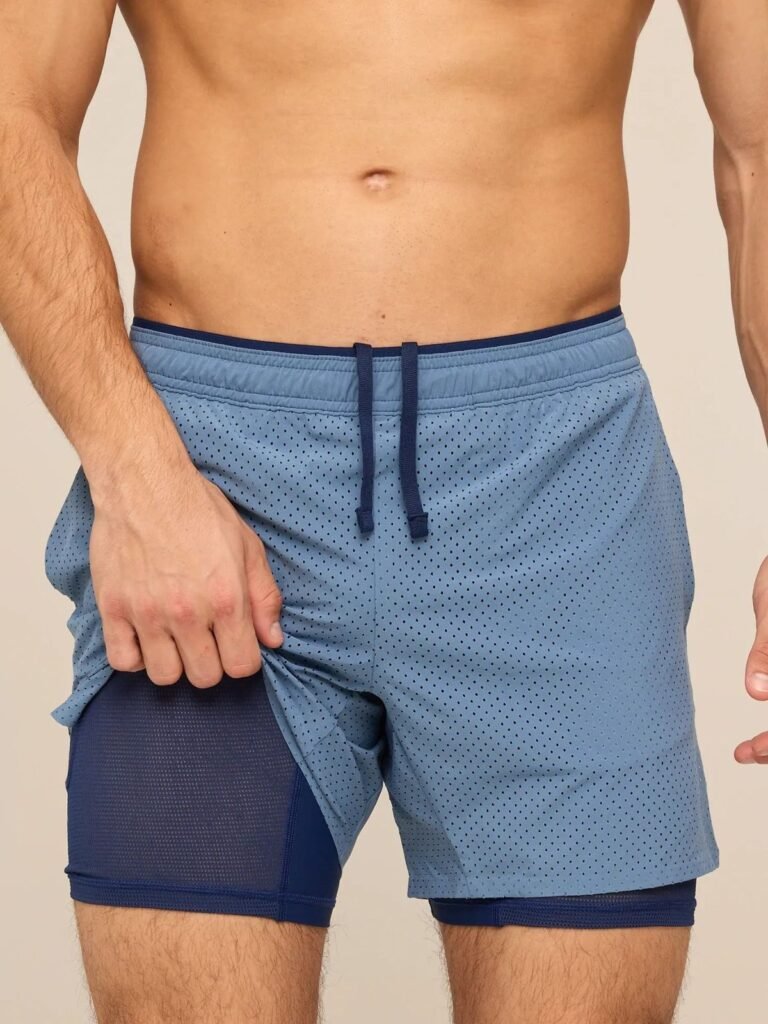
Details That Decide Comfort and Performance
Waistband Construction
The waistband affects comfort more than many buyers expect. A good waistband should sit securely without digging into the waist. It should recover after stretching and washing. Drawcords help adjust fit, while flat waistbands can look cleaner for casual wear. Anti-roll construction is important for running and gym training.
Pocket Design
Pockets are a major difference between running and casual mesh shorts. Runners need secure pockets that do not bounce. Casual users expect side pockets for phone, peněženka, or keys. Gym users need pockets that do not interfere with squats, výpady, or machines. Zipper pockets are useful for running, but casual shorts may prioritize easy-access side pockets.
For styling-focused buyers, the guide on practical and stylish mesh shorts connects comfort details with daily wear appeal. This matters because modern buyers expect activewear to perform during movement and still look good outside the gym.
Stitching and Seam Placement
Good stitching protects comfort and durability. Flatlock seams reduce bulk and friction. Overlock seams are common and efficient. Bartacks reinforce stress points such as pocket openings and waistband ends. Inner thigh seams should be smooth because this area experiences repeated friction during running and walking.
For private-label and wholesale buyers, seam strength should be checked during sample approval. Loose threads, uneven stitching, weak bartacks, and twisted seams can create returns even when the fabric itself is good.
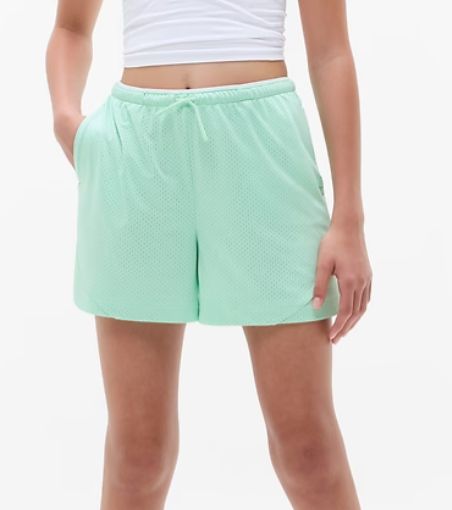
Dodržování, Označování, and Quality Testing
Fiber Content and Labeling
For apparel sold in many regulated markets, buyers should confirm fiber content, care instructions, země původu, and responsible business information. Labels are not just decorative tags. They are part of compliance, customer trust, and retail readiness. A sportswear brand selling polyester mesh shorts, recycled polyester mesh shorts, or nylon blends should make sure the product label accurately reflects the material.
Care labeling also matters. Customers need to know whether the shorts can be machine washed, tumble dried, or ironed. Incorrect care instructions can lead to shrinkage complaints, color damage, and poor customer reviews.
Quality Testing for Mesh Shorts
| Test Item | Suggested Check | Proč na tom záleží |
|---|---|---|
| Fabric weight | GSM test | Controls hand feel and durability |
| Colorfastness to washing | Lab wash test | Zabraňuje vyblednutí |
| Colorfastness to rubbing | Dry and wet rubbing test | Prevents color transfer |
| Shrinkage | After-wash measurement | Protects size stability |
| Seam strength | Pull or stress test | Prevents tearing |
| Elastic recovery | Stretch recovery test | Protects waistband performance |
Common Mistakes When Buying Mesh Shorts
Choosing the Thinnest Fabric for Running
Ultra-thin fabric may feel breathable at first, but it can become transparent, lose structure, or feel flimsy. Running shorts should be light, but not weak. Casual shorts should be breathable, but not see-through.
Ignoring Pocket Security
Loose pockets can bounce during running and become uncomfortable. For running shorts, zipper pockets or inner pockets are safer. For casual shorts, side pockets should be deep enough for daily use.
Using Basketball Shorts for Running
Basketball mesh shorts may look good casually, but longer and heavier styles can feel hot during running. If a customer mainly runs, choose shorter and lighter construction.
Forgetting Liner Comfort
A poor liner can ruin an otherwise good product. Liner fabric should be soft, supportive, prodyšný, and properly sized. If the liner feels rough during a sample fitting, it will feel worse after five miles.
Buying From a Supplier Without Testing Data
B2B buyers should ask for shrinkage data, colorfastness information, seam quality checks, and pre-production samples. A low quote without testing support can become expensive after returns, complaints, or size inconsistency.
How to Choose a Mesh Shorts Manufacturer or Supplier
What a Reliable Supplier Should Provide
A reliable supplier should provide fabric swatches, size charts, předprodukční vzorky, fabric composition, GSM data, shrinkage control, stitching quality, waistband options, liner options, pocket customization, umístění loga, štítky, obal, and bulk QC. For private-label brands, sample development is not optional. It is the moment where the future product either becomes real or becomes a refund machine.
Before choosing a mesh shorts manufacturer, buyers should review production background, sportswear experience, customization ability, and quality control logic. A factory that understands activewear fit can help reduce sampling rounds and improve final product consistency.
For buyers preparing a bulk program, contacting a professional mesh shorts supplier early can help clarify fabric options, MOQ, sample timing, label requirements, and packaging details before production begins. Good communication saves time. Bad communication turns a simple short into a long story. Pun intended, sadly accurate.
Scorecard hodnocení dodavatelů
| Faktor hodnocení | Hmotnost | Co zkontrolovat |
|---|---|---|
| Fabric sourcing | 20% | GSM, fiber content, síťovaná struktura |
| Fit development | 15% | Size grading and sample revisions |
| Sewing quality | 20% | Seam strength, vložka, opasek |
| Testing support | 15% | Shrinkage, stálobarevnost, pilování |
| Přizpůsobení | 15% | Logo, štítky, kapsy, barvy |
| Compliance support | 10% | Labels and documents |
| Communication | 5% | Response speed and sample feedback |
Praktické doporučení: Which Mesh Shorts Should You Choose?
For running, choose lightweight, quick-dry, breathable mesh shorts with a secure waistband, anti-chafe seams, optional liner, and secure pocket. Na běžné nošení, choose slightly heavier mesh shorts with better opacity, side pockets, uvolněný střih, and stable color. For gym training, choose mid-length shorts with movement room, durable seams, and stable waistband recovery.
For brands and wholesale buyers, choose a supplier that supports fabric selection, sample fitting, label development, size grading, testování, and bulk QC. If you are comparing product styles, the article on mesh shorts for gym and summer activities can help match product type to real use cases. The best shorts are not just breathable; they are breathable, wearable, washable, and repeatable in production.
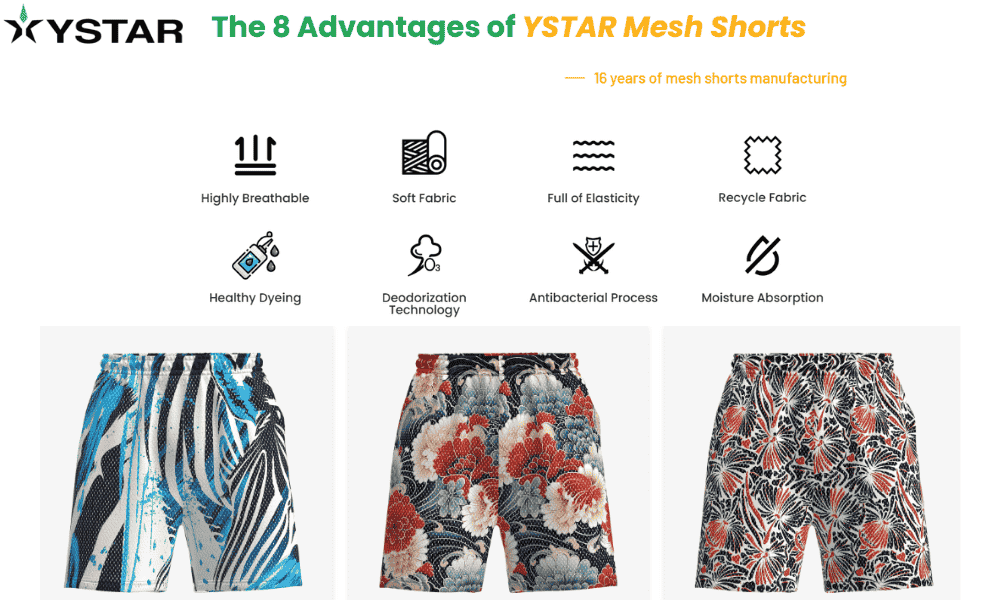
Final Buying Insight: Choose Mesh Shorts by Use Case, Not by Trend Alone
Mesh Shorts are versatile, but they are not all the same. A short built for running should not be judged by the same standards as a basketball-inspired streetwear short. A casual short should not be as thin as a race short. A private-label product should not move to bulk production before fabric, vejít se, šití, shrinkage, and labeling are checked.
The smartest buying logic is simple: define the main use, choose the right fabric weight, confirm the inseam, decide on liner or no liner, test pocket function, inspect sewing quality, verify labeling needs, and approve samples before bulk production. When these details are controlled, Mesh Shorts can become a reliable product for runners, gym users, casualwear customers, and sportswear brands.
FAQ
1. Are Mesh Shorts good for running?
Ano, Mesh Shorts are good for running when they are lightweight, prodyšný, rychleschnoucí, and designed with a secure waistband and anti-chafe construction. For running, shorter or mid-length inseams usually work better because they reduce restriction. A built-in liner can also improve support and reduce friction during longer runs. Buyers should avoid heavy basketball-style mesh shorts for serious running because they may feel too warm or loose.
2. What are Mesh Shorts made of?
Mesh Shorts are commonly made from polyester, nylon, směsi spandexu, or recycled polyester. Polyester mesh is popular because it is durable, lehká váha, and suitable for quick-dry or moisture-wicking finishes. Nylon mesh may feel smoother and more premium depending on the fabric structure. Spandex can be added when extra stretch is needed. The best fabric depends on the target use, required breathability, neprůhlednost, hand feel, and price point.
3. Should running Mesh Shorts have a liner?
Running Mesh Shorts often perform better with a liner because the liner can provide support, reduce chafing, and improve comfort during repetitive movement. A good liner should feel soft, prodyšný, and secure without being too tight. nicméně, unlined mesh shorts may be better for casual wear, basketball-inspired styling, loungewear, or gym users who prefer to wear separate compression shorts underneath.
4. What length Mesh Shorts are best for running and casual wear?
For serious running, 3-inch to 5-inch Mesh Shorts offer the most freedom of movement, especially in hot weather. For mixed running and casual wear, 5-inch to 7-inch shorts are usually the safest all-around choice. Na běžné nošení, trénink v tělocvičně, basketball-inspired style, and streetwear, 7-inch to 9-inch shorts provide more coverage and a relaxed look. The best length depends on comfort, activity, and market preference.
5. How do I choose a reliable Mesh Shorts manufacturer?
To choose a reliable Mesh Shorts manufacturer, zkontrolujte, zda dodavatel může poskytnout vzorky látek, GSM data, size charts, předprodukční vzorky, fabric composition, shrinkage control, colorfastness testing, sewing quality, waistband options, liner options, logo customization, štítky, obal, and bulk QC. For private-label or wholesale projects, the manufacturer should also support fit revisions, stable sizing, compliance documents, and clear communication before bulk production.
Reference
1. Threading Your Way Through the Labeling Requirements Under the Textile and Wool Acts, Federální obchodní komise, Business Guidance.
2. Clothing Business Guidance and Flammability Requirements, U.S. Consumer Product Safety Commission, Apparel Safety Resources.
3. Standard OEKO-TEX 100: Product Label for Tested Textiles, OEKO-TEX Association, Textile Safety Standard.
4. Textilní testování a kontrola kvality, Elliot B. Grover and D. S. Hamby, Textile Reference Publication.
5. Physical Testing of Textiles, B. P. Saville, Woodhead Publishing.
6. Performance Apparel Markets: Product Development and Sourcing Trends, Textile Intelligence, Industry Report.
7. AATCC Test Methods for Colorfastness and Moisture Management, Americká asociace textilních chemiků a koloristů, Textile Testing Standards.
8. ASTM Textile Standards and Fabric Performance Testing, Mezinárodní ASTM, Textile Materials Standards.
Strategický pohled: How Buyers Should Choose Mesh Shorts
What makes Mesh Shorts suitable for both running and casual wear? Mesh Shorts work well because the fabric structure improves airflow while keeping the product lightweight and flexible. For running, buyers should prioritize breathable fabric, quick-dry performance, anti-chafe construction, and secure waistband support. Na běžné nošení, the focus should shift toward opacity, pocket function, uvolněný střih, color stability, and everyday comfort.
Why does fabric GSM matter? Fabric GSM directly affects breathability, trvanlivost, and coverage. Lower GSM fabrics are lighter and better for hot-weather running, but they may become too thin or transparent if the mesh structure is too open. Higher GSM fabrics usually provide better opacity and shape, making them more suitable for casual mesh shorts, gym wear, basketball-inspired styles, and streetwear.
How should buyers decide between lined and unlined Mesh Shorts? Lined Mesh Shorts are usually better for running because the liner provides support, snižuje tření, and improves comfort during repetitive movement. Unlined Mesh Shorts are better for casual wear, loungewear, basketball styling, and users who prefer to wear compression shorts underneath. If the product is designed for mixed use, offering both lined and unlined versions can help serve different customer groups.
What option works best for different users? Runners should choose lightweight, quick-dry mesh shorts with a secure pocket and anti-chafe seams. Gym users should choose mid-length shorts with durable stitching and stable waistband recovery. Casual buyers should choose slightly heavier mesh shorts with side pockets and better opacity. Private-label brands should choose styles that can be repeated consistently in bulk production.
What should B2B buyers consider before ordering? Brands and wholesalers should check fabric swatches, GSM data, size charts, sample fitting, shrinkage control, stálobarevnost, seam strength, waistband quality, liner comfort, logo customization, možnosti balení, and labeling support. A reliable mesh shorts manufacturer should not only make the product look good, but also keep sizing, kvalita tkaniny, šití, and delivery consistent across bulk orders.
Market direction: Modern activewear is moving toward multi-use products that combine performance and everyday style. Mesh Shorts fit this trend because they can serve running, trénink v tělocvičně, basketball, summer travel, lenošení, and casual streetwear when the fabric, vejít se, vložka, and construction are properly designed. Pro značky, the winning product is not simply the cheapest short—it is the short that feels comfortable, washes well, looks good, and performs reliably in real use.