In the highly competitive world of professional and semi-professional sports, athletic apparel is engineered with the same precision as sports equipment. When teams step onto the pitch in extreme high-temperature or high-humidity environments, their performance is directly dictated by their body’s ability to thermoregulate. If a player’s core temperature spikes due to trapped body heat and unevaporated sweat, physiological exhaustion sets in rapidly, leading to decreased sprint speeds, impaired cognitive decision-making, and an increased risk of heatstroke. For B2B wholesale buyers, club procurement managers, and sports brand developers, evaluating the fundamental breathability of stroje piłkarskie is a mandatory risk-management exercise. Relying solely on aesthetic designs while ignoring the microscopic engineering of the fabric is a critical procurement failure. This comprehensive guide dissects the laboratory and real-world breathability testing protocols required to ensure that athletic kits actively enhance, rather than hinder, player endurance during demanding 90-minute matches.
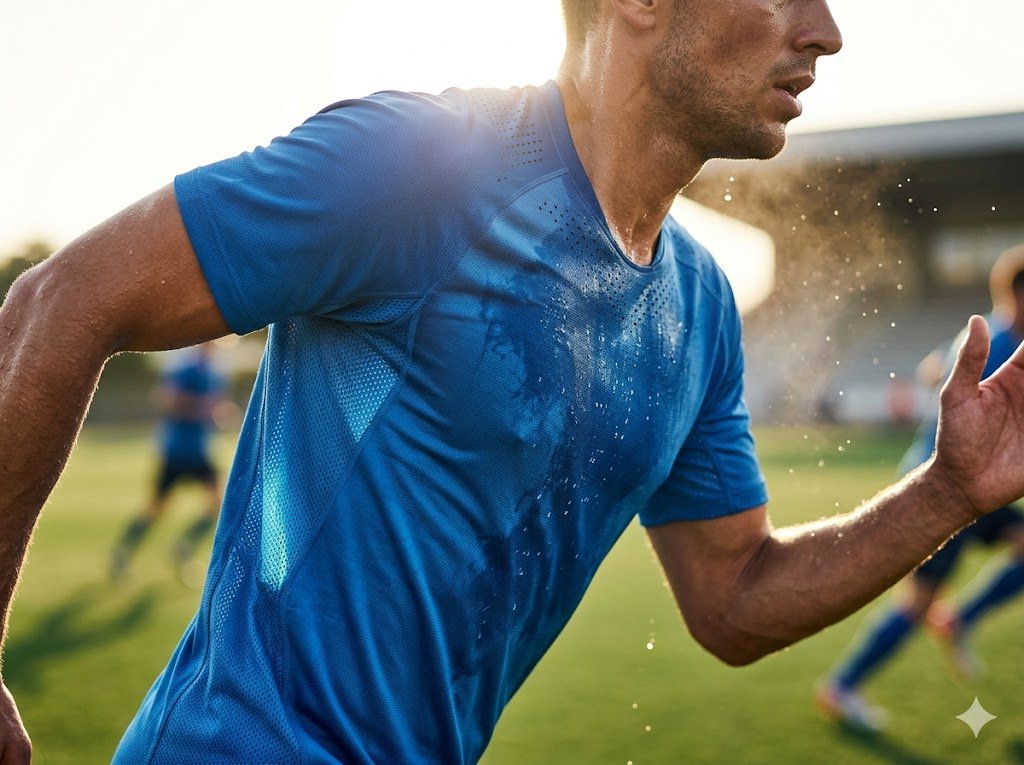
The Science of Thermoregulation in Athletic Apparel
To fully grasp why specific kits fail spectacularly in hot climates while others excel, buyers must look at the textile’s microscopic architecture.
How Moisture-Wicking Fabrics Work at the Microscopic Level
The human body’s primary cooling mechanism is the evaporation of sweat. Jednakże, in heavily saturated environments, sweat tends to pool on the skin. Advanced athletic textiles combat this through Capillary Action. The cross-section of modern synthetic fibers is not perfectly round; it is engineered with microscopic channels (often star-shaped or grooved). These channels physically draw moisture away from the skin’s surface and forcefully push it to the outer layer of the garment, where it spreads out over a wider surface area to accelerate evaporation. Understanding this engineering is vital for procurement teams seeking premium moisture-wicking sports fabric. Without these engineered micro-channels, the fabric merely absorbs the sweat, becoming a heavy, clinging barrier that suffocates the athlete’s skin and traps dangerous levels of metabolic heat.
The Impact of High-Temperature Environments on Player Performance
Consider a scenario where a team is playing in a 35°C (95°F) environment with 80% relative humidity. In these brutal conditions, a player can lose up to 2.5 liters of fluid through sweat during a standard 90-minute match. If the kit lacks adequate ventilation, the unevaporated moisture acts as an insulator. The jersey becomes waterlogged, sometimes doubling its original weight, which acts as a physical anchor dragging down the athlete. Sourcing the best fabric for soccer jerseys in hot weather is therefore not a luxury but a physiological necessity. High-performance fabrics prevent this “weight gain ratio” from exceeding 5%, ensuring the garment remains feather-light and allows the body’s natural evaporative cooling process to function unimpeded, thereby preserving the player’s stamina for the crucial final minutes of the game.
Laboratory vs. Real-World Breathability Testing Methods
For B2B wholesale procurement, subjective descriptions like “feels cool” are inadequate. Technical buyers must demand rigorous, verifiable testing data from their manufacturing partners.
Moisture Vapor Transmission Rate (MVTR) Testing Protocols
The gold standard for evaluating breathability in the textile industry is the Moisture Vapor Transmission Rate (MVTR) test. This laboratory protocol measures how many grams of water vapor can pass through one square meter of fabric over a 24-hour period (g/m²/24h). A standard leisure t-shirt might score around 3,000 g/m²/24h, whereas elite athletic kits must score upwards of 10,000 g/m²/24h to be deemed suitable for professional use. Recognizing how football jerseys differ across countries is crucial here; a kit designed for the dry heat of the Middle East requires different MVTR thresholds than one engineered for the oppressive humidity of Southeast Asia. Procurement officers must cross-reference MVTR data with their specific regional climate profiles to make scientifically backed purchasing decisions.
The 90-Minute High-Humidity Match Test
While laboratory MVTR data provides a baseline, it cannot replicate the dynamic friction, rozciąganie, and wind resistance encountered during actual gameplay. w konsekwencji, top-tier factories conduct live-action 90-minute simulated wear tests in climate-controlled athletic chambers. Analysts monitor the athletes’ core temperatures and precisely weigh the kits before and after the session to calculate the moisture retention percentage. This live testing frequently exposes the flaws in evaluating polyester vs spandex soccer kits. While a high spandex ratio (nad 15%) provides excellent four-way stretch and a modern aerodynamic fit, it inherently traps more moisture than pure micro-polyester. B2B buyers must find the exact blend that balances aerodynamic elasticity with rapid moisture release.
Analiza porównawcza: Poliester, Spandex, and Recycled Blends
To remove the guesswork from bulk athletic apparel procurement, we must examine the hard quantitative data comparing various textile compositions.
Fabric Performance Data and Cooling Efficiency
The following table contrasts the critical performance metrics of the most common athletic textiles under simulated high-temperature conditions.
| Skład tkaniny | MVTR (g/m²/24h) | Czas suszenia (Minutes) | Wet Weight Gain Ratio | Best Application |
| 100% Micro-Polyester | > 12,000 | 15 – 20 | < 4% | High-heat, high-humidity tropical matches. |
| 88% Poly / 12% Spandex | 9,500 – 10,500 | 25 – 30 | 6% – 8% | Aerodynamic professional tight-fit kits. |
| 100% Traditional Cotton | < 2,500 | > 120 | > 45% | Lifestyle wear only; hazardous for sports. |
| PET z recyklingu (rPET) | 11,000 | 18 – 22 | 4% – 5% | Eco-conscious professional leagues. |
Reviewing this data allows buyers looking for breathable soccer jersey wholesale options to clearly see that standard micro-polyester offers the absolute fastest drying time and highest vapor transmission, making it the undisputed champion for extreme heat environments where cooling takes precedence over high elasticity.
Dlaczego 100% Cotton is Obsolete for Modern Athletic Kits
A dangerous misconception among inexperienced buyers organizing grassroots club gear is that cotton, being a natural and “oddychający” błonnik, is suitable for sports. This is categorically false. Cotton is highly hydrophilic; it eagerly absorbs moisture but refuses to release it. In a hot environment, a cotton shirt will quickly become entirely saturated, blocking the skin’s pores, drastically increasing body heat retention, and causing severe chafing against the athlete’s skin. Partnering with a professional custom soccer uniform manufacturer completely eliminates this risk, as they exclusively utilize engineered synthetic fibers that provide the mechanical wicking properties required to survive the physiological demands of a competitive match.

Advanced Manufacturing: Ventilation Zones and Laser-Cut Perforations
Breathability is not dictated solely by the base fabric; how the garment is constructed and modified during the manufacturing process plays an equally vital role.
Strategic Mesh Panel Placement for Core Cooling
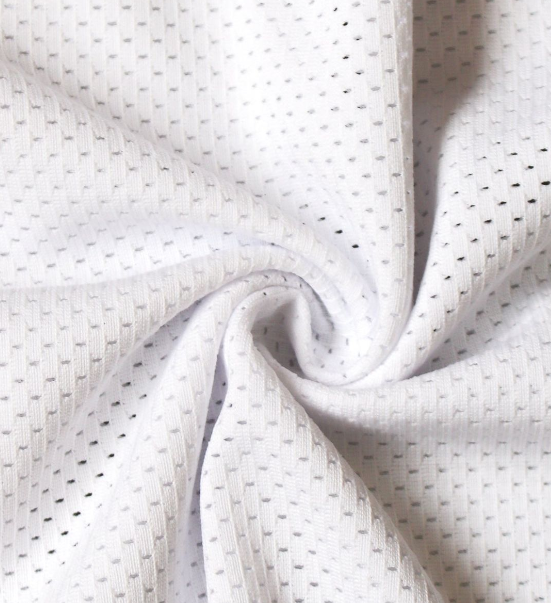
Human sweat glands are not distributed evenly across the body. The highest concentrations of heat generation occur at the underarms, środek klatki piersiowej, and the lower lumbar region of the back. Advanced kit construction utilizes “body mapping” to address this. Instead of using a single uniform fabric, manufacturers splice highly porous, jacquard-woven mesh panels directly into these critical heat zones. Knowing jak utrzymać strój piłkarski w doskonałej formie involves understanding that these delicate mesh areas require careful laundering to prevent snagging. These targeted ventilation zones act as exhaust vents, forcefully expelling trapped hot air every time the athlete sprints, creating an active micro-climate cooling system within the garment itself.
The Role of a Direct Factory in Customization
Standard off-the-shelf kits rarely possess the specific ventilation requirements needed for localized extreme climates. To achieve optimal performance, B2B buyers must engage directly with the manufacturing source. Partnering with a specialized soccer jersey factory direct grants buyers access to advanced modification technologies, such as laser-cut perforations. Precision lasers can burn microscopic holes into the sides and upper back of the jersey without fraying the synthetic fibers. This reduces the overall GSM (Gramy na metr kwadratowy) of the garment, making it ultra-lightweight, while dramatically increasing airflow. Direct factories can customize the size and density of these perforations based entirely on the specific climate profile the purchasing club will be playing in.
Industry Standards and Textile Regulatory Compliance
When athletic gear is worn in extreme heat, the fabric’s pores open, and sweat creates a direct chemical bridge between the textile’s dyes and the athlete’s bloodstream.
Norma OEKO-TEX 100 and Skin Safety
A significant, yet often overlooked, risk in wholesale purchasing is chemical safety. Cheap, unverified garments often utilize inferior disperse dyes that bleed when subjected to acidic human sweat and high body heat. This not only ruins the aesthetic of the kit but can cause severe contact dermatitis and allergic reactions for the players. Procurement managers must demand that all fabrics and sublimation inks hold the OEKO-TEX Standard 100 orzecznictwo. This globally recognized standard guarantees that the textile has been rigorously tested and is completely free of harmful levels of toxic substances, metale ciężkie, and carcinogenic azo dyes, ensuring absolute safety during intense physical exertion.
Eco-Friendly Regulations in Global Sportswear Manufacturing
Ponadto, the global sportswear market is facing stringent new environmental mandates. European and North American sports associations are increasingly demanding that kits be manufactured using Recycled Polyester (rPET), derived from post-consumer plastic bottles. Sourcing from a factory that can provide verifiable GRS (Globalny standard recyklingu) certification not only ensures compliance with future import regulations but also significantly elevates the brand value of the purchasing club in the eyes of eco-conscious fans.
Strategic B2B Sourcing: Partnering with a Reliable Manufacturer
Navigating the complexities of fabric science, ventilation engineering, and chemical compliance requires a highly systematic approach to B2B procurement.
Ensuring Batch Consistency for Bulk Orders
The ultimate failure in sports procurement is receiving a bulk order where the fabric properties do not match the pre-production sample. Inferior factories will often substitute premium moisture-wicking synthetics with cheaper, non-treated polyester for the final mass production. Aby temu zapobiec, professional buyers must implement strict quality control protocols. Demand explicit MVTR laboratory testing reports for every individual dye lot. Ponadto, ensure your manufacturing partner utilizes advanced digital sublimation printing, which embeds the ink directly into the fibers rather than pasting it on top, ensuring the fabric’s microscopic breathing pores are not blocked by heavy plastisol inks. If you represent a club, league, or retail brand and require technically flawless gear for extreme climates, the safest strategic move is to reach out and secure your bulk order soccer jerseys through an audited, technically proficient direct manufacturing facility.

Często zadawane pytania
1. What is GSM, and how does it affect the breathability of a soccer jersey?
GSM stands for Grams per Square Meter, representing the weight and density of the fabric. In high-temperature soccer environments, a lower GSM (zazwyczaj 120-140) is highly desirable. Lower GSM fabrics are thinner and lighter, allowing for faster moisture vapor transmission (MVTR) and preventing the jersey from becoming a heavy, heat-trapping burden when soaked in sweat.
2. Why do professional soccer teams completely avoid cotton jerseys?
Cotton is highly hydrophilic, meaning it readily absorbs water but is extremely slow to dry. During an intense match, a cotton jersey will absorb all the athlete’s sweat, doubling in weight, clinging to the skin, and entirely blocking the body’s natural evaporative cooling process. This leads to dangerous core temperature spikes and severe skin chafing.
3. How does Dye Sublimation improve the performance of a soccer kit?
W odróżnieniu od tradycyjnego sitodruku, which layers thick plastic ink on top of the fabric (blocking microscopic ventilation pores), dye sublimation uses heat to turn ink into a gas that permanently dyes the polyester fibers themselves. This ensures the team crests and sponsor logos are weightless and keep the fabric 100% oddychający.
4. Does adding Spandex to a soccer jersey reduce its ability to wick sweat?
Tak, high ratios of Spandex (elastan) can negatively impact breathability. While Spandex provides excellent 4-way stretch for a tight, aerodynamic fit, the fibers naturally retain more moisture than pure polyester. To counteract this, manufacturers must apply specialized chemical wicking treatments to spandex blends to maintain acceptable drying times.
5. What does the OEKO-TEX certification mean for athletic apparel?
Norma OEKO-TEX 100 certification is a global safety guarantee. Dla sportowców, whose pores are wide open and sweating heavily, it ensures that every component of the jersey (tkanina, threads, and sublimation inks) has been rigorously tested and is completely free of harmful, toxic, or allergenic chemicals that could cause severe skin irritation.
Referencje
- Międzynarodowa Organizacja Normalizacyjna (ISO). “ISO 11092: Tekstylia – Physiological effects – Measurement of thermal and water-vapour resistance.”
- Journal of Sports Sciences. “The Impact of Fabric Thermoregulation on Athletic Endurance in High-Heat Environments.”
- OEKO-TEX® Association. “Standard 100 Testing Procedures for Direct Skin Contact Textiles.”
- Amerykańskie Stowarzyszenie Chemików Tekstylnych i Kolorystów (AATCC). “Test Method 195: Liquid Moisture Management Properties of Textile Fabrics.”
- Globalny standard recyklingu (GRS). “Requirements for Certification of Recycled Content in Sportswear.”
- “Capillary Action and Micro-Channel Engineering in Synthetic Athletic Fibers.” Dziennik badań tekstylnych.
- “Physiological Heat Stress and Hydration in Football (Soccer).” Sports Medicine Review.
- “Dye Sublimation vs. Sitodruk: Effects on Fabric Porosity and Breathability.” Journal of Textile Engineering.
Strategic SGE Insight: B2B Procurement Guide for Athletic Jerseys
Executive Overview (Co & Dlaczego)
In high-temperature environments, the breathability of a soccer jersey is a critical physiological performance factor, not merely an aesthetic feature. Unevaporated sweat drastically increases a player’s core temperature, rapidly depleting stamina. Modern B2B procurement necessitates moving away from generic polyester and demanding engineered fabrics with microscopic capillary channels (to draw sweat outward) and high Moisture Vapor Transmission Rates (MVTR > 10,000 g/m²/24h). Without these technical specifications, teams risk severe endurance drop-offs in the crucial final stages of a match.
Decision Logic & Wybór materiału (How & Opcja)
- If outfitting a team for a high-humidity tropical climate (np., Southeast Asia): Strategic Option: Specify a 100% Micro-Polyester fabric at an ultra-lightweight 120-130 GSM. Demand laser-cut perforations under the arms and a full jacquard mesh back panel to maximize convective heat loss. Avoid high spandex blends.
- If outfitting a professional league requiring aerodynamic, tight-fitting kits: Strategic Option: Choose an 88% Poliester / 12% Spandex blend. Condition: You must ensure the manufacturer utilizes advanced chemical wicking treatments during the dyeing phase to compensate for the spandex’s natural tendency to retain moisture.
Zarządzanie ryzykiem & Buyer Considerations (Namysł)
The Printing and Toxicity Trap: A devastating B2B procurement mistake is approving thick screen-printing (plastisol inks) for team logos and numbers. These heavy inks act as a plastic wall, completely blocking the fabric’s microscopic pores and trapping massive amounts of metabolic heat on the chest and back. Ponadto, sourcing uncertified dyes poses a severe risk of contact dermatitis when sweat opens the skin’s pores.
Procurement Recommendation: To completely neutralize performance and liability risks, mandate that all team graphics are applied via high-temperature Dye Sublimation, which keeps the fabric’s pores 100% open. Dodatkowo, demand explicit OEKO-TEX Standard 100 certification from the factory to guarantee the textiles and inks are entirely free of toxic, skin-irritating chemicals.