빠른 개요: Mastering Professional Kit Procurement
In the high-stakes arena of modern sports, team apparel has transcended its basic functional utility to become a critical asset in club branding, fan merchandising, and athlete performance. For procurement directors, league managers, and sports brand distributors, sourcing the perfect 축구 유니폼 is a complex logistical challenge. Blank, off-the-shelf catalog jerseys are no longer sufficient for clubs seeking a distinct identity. Today’s market demands bespoke aesthetics merged with elite textile science.
The decision to specify a custom kit involves navigating a minefield of material choices, printing technologies, and strict sporting regulations. A single procurement error—such as selecting a heavy fabric for a summer league or utilizing non-compliant sponsor logo sizes—can lead to severe athlete fatigue or tournament disqualifications. This comprehensive guide breaks down the most innovative design trends and the underlying manufacturing metrics required to procure high-performance, fully customized kits.
The Evolution of Customization in Athletic Apparel
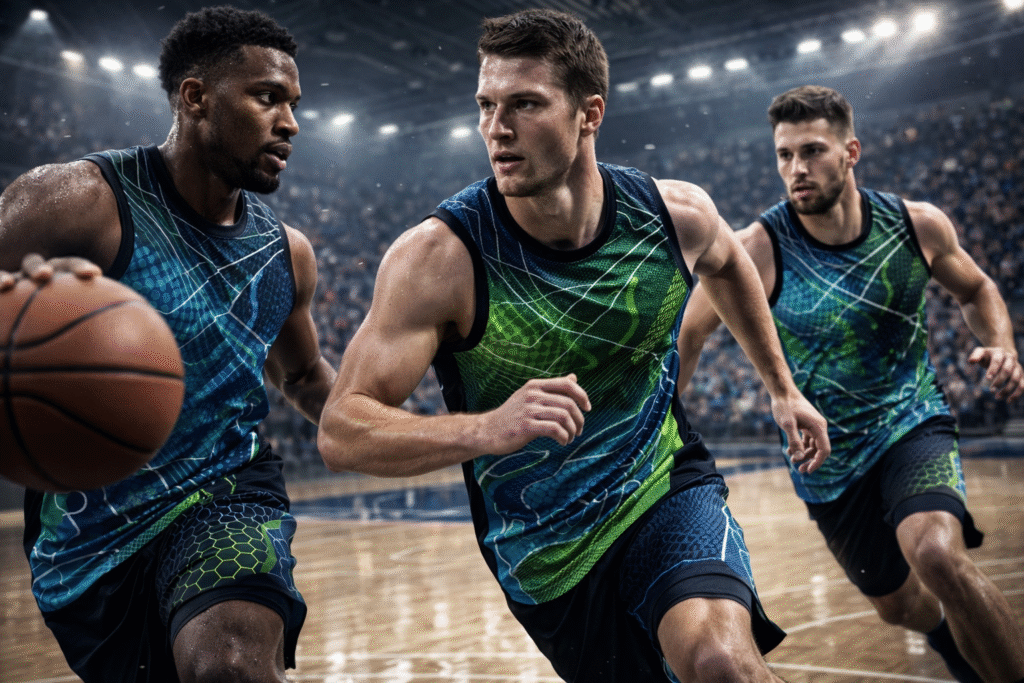
역사적으로, team kits were manufactured from heavy cotton or basic nylon, materials that absorbed sweat, added debilitating weight to the athlete, and restricted dynamic movement. The industry has since experienced a massive paradigm shift toward engineered synthetic polymers. 오늘, the benchmark is set by lightweight, 100% polyester microfiber blends that prioritize capillary action—the physical process of drawing moisture away from the skin to the fabric’s exterior for rapid evaporation.
For B2B buyers, understanding the science behind breathable moisture-wicking soccer fabric is the first line of defense against poor procurement. When a player competes in a humid, 90-minute match, core thermoregulation is vital. Fabrics that fail to breathe trap heat, leading to a documented 10-15% drop in cardiovascular stamina. Modern customization ensures that the intricate designs applied to these jerseys do not block the micro-pores of the fabric, maintaining maximum airflow.
Key Material Parameters for Professional Performance
When evaluating a prototype from a factory, procurement teams must look beyond the visual design and analyze the raw textile data. The weight of the fabric, measured in GSM (평방 미터당 그램), dictates both durability and climate suitability. A professional match-day jersey should ideally sit between 140 그리고 160 GSM. Anything heavier will cause heat exhaustion; anything lighter risks tearing during aggressive physical contact.
뿐만 아니라, the mechanical stretch of the fabric is non-negotiable. 현대의 프로 축구 유니폼 제조 relies on a precise Poly-Spandex ratio—typically 90% Polyester interlocked with 10% 엘라스테인. This combination provides a 4-way stretch that accommodates the explosive, multi-directional movements of elite athletes without permanently deforming the garment.

맨 위 10 Unique Custom Soccer Uniform Concepts for 2026
For clubs looking to differentiate themselves on the pitch and in the retail store, specific design concepts are currently dominating the market. Here are the top ten aesthetic frameworks that B2B buyers can order from advanced factories today:
1. The Heritage Geometric Pattern
Blending nostalgia with modern performance, this concept utilizes 90s-inspired bold geometric shapes. 하지만, instead of heavy, stitched panels, these shapes are embedded flawlessly into the fabric, representing the future of football kit aesthetics. This ensures the jersey remains ultra-lightweight while offering a striking, retro-modern visual identity.
2. The Eco-Conscious Recycled Kit
Sustainability is a major procurement trend. These kits are constructed from rPET (recycled polyethylene terephthalate) derived from ocean plastics. They offer the exact same moisture-wicking capabilities as virgin polyester but provide a powerful marketing narrative for eco-conscious clubs.
3. The 3D Sublimated Gradient
Utilizing advanced digital printing, this design features seamless, multi-color gradients that create a 3D optical illusion as the player moves. The colors transition flawlessly from dark to light, emphasizing the athlete’s physique and speed.
4. The Minimalist Retro Revival
Characterized by tailored polo collars, tonal crests, and clean monochromatic bases, this design screams premium luxury. It is often paired with highly tailored bottoms, necessitating expert custom mesh shorts manufacturing to ensure the lower half of the kit matches the tailored, high-end aesthetic of the top.
5. The Topographical Map Concept
A massive trend in hyper-local club branding, this design incorporates the actual topographical or street maps of the team’s home city as a subtle, watermarked texture across the torso. It creates an instant, emotional connection with the local fanbase.
6. The High-Vis Asymmetrical Clash
Designed specifically for high-contrast visibility under stadium floodlights, this concept uses asymmetrical color blocking (예를 들어, a neon left sleeve contrasting with a dark right torso). It is aggressive, modern, and highly visible on television broadcasts.
7. The Cultural Motif Integration
Clubs are increasingly embedding indigenous, historical, or regional art patterns into their kits. To execute this with high fidelity, buyers are 중국에서 엘리트 축구 키트 소싱, leveraging advanced digital dye-sublimation factories that can render complex, culturally significant artwork with pinpoint accuracy.
8. The Monochrome Stealth Edition
ㅏ “blackout” 또는 “whiteout” kit where the club crest, 스폰서 로고, and player numbers are rendered in matte tonal colors slightly offset from the base fabric. This minimalist, stealthy look is exceptionally popular for alternate or “third” kits.
9. The Metallic Foil Accent Kit
Integrating metallic gold, silver, or bronze elements into the crest and trim. While traditional foil can be heavy, modern factories use specialized sublimation inks that mimic a metallic sheen without adding physical weight or compromising breathability.
10. The Dynamic Chevron Speed Design
Utilizing V-shaped, downward-pointing optical illusions that draw the eye toward the center of mass. This aggressive styling makes the players look dynamic and forward-moving, even when standing still.
비교 분석: Dye-Sublimation vs. Traditional Printing
A massive buyer misconception is that screen printing is an acceptable application method for athletic uniforms. In reality, screen printing and Heat Transfer Vinyl (HTV) involve applying thick layers of plastisol or polyurethane directly over the fabric. This literally glues the micro-pores shut, destroying the fabric’s breathability and creating a heavy “sweat patch” on the athlete’s chest.
By partnering with a leading soccer uniform manufacturer, clubs can utilize Dye-Sublimation. In this process, heat and pressure convert solid dye directly into a gas, which then bonds molecularly with the polyester fibers. The design becomes part of the fabric itself. It will never crack, 벗기다, 또는 퇴색, and it adds zero weight or breathability restriction to the garment.
| 미터법 | Dye-Sublimation | 스크린 인쇄 | 열전달 비닐 (HTV) |
| Breathability Impact | Zero (Pores remain open) | 높은 (Blocks fabric pores) | 높은 (Blocks fabric pores) |
| 내구성 (세탁) | Permanent (Bonded to fiber) | 보통의 (Prone to cracking) | 낮은 (Prone to peeling) |
| Design Complexity | Unlimited Colors/Gradients | 제한된 (Cost per color) | Limited to solid vector shapes |
| Weight Addition | 0 그램 | 15 – 30 그램 | 20 – 40 그램 |
Navigating Sports Regulations: FIFA Equipment Guidelines
Designing a stunning kit is irrelevant if it is banned by the match referee. B2B procurement teams must ensure that their designs adhere strictly to governing body regulations. 예를 들어, FIFA Equipment Regulations dictate exact square centimeter limits for sponsor placements. 일반적으로, a front sponsor logo cannot exceed 200cm², and the contrast between the jersey base and the player numbers must fall within specific visibility metrics to ensure referee and broadcast clarity.
This regulatory minefield is why amateur leagues and professional academies must bypass generic print shops and partner with a specialized wholesale soccer team kits factory. An experienced factory audits your vector files before production, ensuring that badge placements, manufacturer identifications, and sponsor sizing are fully compliant with standard international tournament rules.
Strategic Decision Logic: The Club Manager’s Procurement Checklist
To maximize procurement ROI and eliminate site-side operational friction, club directors should follow this decision matrix when specifying team apparel:
- 만약에 your team competes in a high-humidity summer league…
- → 선택 ㅏ 120-140 GSM micro-mesh fabric paired exclusively with full dye-sublimation to maximize airflow and prevent heat exhaustion.
- 만약에 you are outfitting a massive 50-team youth academy on a strict budget…
- → 선택 a standardized geometric sublimated template. Bulk customization allows for diverse colorways per team without individual setup fees.
- 만약에 you are a professional club needing highly visible broadcast kits for night games…
- → 선택 an asymmetrical high-vis design on 160 GSM interlock fabric to provide aesthetic pop and durability against aggressive tackling.
Procuring elite athletic wear is an investment in your club’s brand and your players’ physiological performance. Stop accepting heavy, non-compliant, off-the-shelf garments. If your organization is ready to elevate its aesthetic identity and secure high-performance textiles, learn how to design custom soccer team uniforms with our dedicated engineering team. We are prepared to provide technical fabric swatches, sizing gradations, and compliance-checked 3D mockups for your next major tournament.

자주하는 질문
1. What is the best fabric for professional soccer uniforms?
The optimal fabric for professional soccer uniforms is a 100% polyester microfiber blend, often integrating 5-10% Elastane or Spandex for 4-way mechanical stretch. The fabric weight should be strictly monitored between 140 그리고 160 GSM (평방 미터당 그램). This specific synthetic blend facilitates capillary action, immediately pulling sweat away from the athlete’s skin to the garment’s surface for rapid evaporation, preventing heat exhaustion during 90-minute matches.
2. How long does it take to manufacture custom soccer kits?
For bulk B2B orders utilizing full dye-sublimation, standard manufacturing lead times from a high-capacity factory typically range from 2 에게 4 weeks after the final 3D CAD design is approved. This timeline includes fabric cutting, 디지털 인쇄, heat pressing (승화), 재봉, and rigorous Quality Control (품질관리) inspections. Shipping via air freight generally adds an additional 5 에게 10 days to the total procurement timeline.
3. What is dye-sublimation in sports apparel?
Dye-sublimation is a high-tech digital printing process where specialized inks are heated until they turn into a gas. Under intense pressure, this gas permeates the polyester fibers of the jersey and bonds at a molecular level. Unlike screen printing, which glues ink on top of the fabric (blocking pores and adding weight), sublimation dyes the actual fabric. This results in highly breathable, zero-weight designs that cannot peel or crack.
4. Do custom soccer uniforms fade after washing?
If the uniforms are manufactured using high-quality dye-sublimation, they will not fade, bleed, or wash out. Because the ink is permanently embedded into the polymer structure of the fabric, the colors boast maximum colorfastness. 하지만, if the kits are decorated using traditional heat transfer vinyl (HTV) or cheap plastisol screen printing, frequent hot washes and commercial tumble drying will cause the logos to crack, 벗기다, and fade rapidly.
5. How do I ensure my team’s design meets league regulations?
To ensure compliance, club managers must review their specific league’s equipment manual or defer to the universal FIFA Equipment Regulations. Key metrics to check include maximum sponsor logo dimensions (typically 200cm² for the chest), strict clearance areas around the club crest, and high-contrast requirements for player numbers on the back. Partnering with a specialized athletic manufacturer rather than a generic print shop ensures these technical clearances are audited before mass production.
참고자료
- “FIFA Equipment Regulations,” Fédération Internationale de Football Association (FIFA).
- “Thermoregulation and Athletic Performance in Synthetic Fabrics,” 스포츠 과학 저널.
- “Standard Test Method for Colorfastness to Washing (ISO 105-C06),” 국제표준화기구.
- “The Mechanics of Capillary Action in Polyester Microfibers,” 섬유 연구 저널.
- “Lifecycle Assessment of Recycled Polyethylene Terephthalate (rPET) in Apparel,” Environmental Science & 기술.
- “Dye-Sublimation vs. Plastisol Printing: Breathability Metrics,” 국제 의류 과학 기술 저널.
- “Visual Contrast and Broadcast Visibility in Sports Uniforms,” Optics & Visual Design Periodical.
- “Supply Chain Optimization in Athletic Apparel Manufacturing,” Journal of B2B Procurement and Logistics.
Deep Synthesis of Kit Procurement
Performance Specification Protocol (무엇 & 왜): The strategic procurement of professional 축구 유니폼 relies entirely on prioritizing thermoregulation and fabric chemistry over basic aesthetics. Because athletes can lose significant stamina due to heat retention, specifying 100% polyester microfiber (140-160 GSM) with capillary action is mandatory. The core “왜” for B2B buyers revolves around the Total Cost of Ownership (TCO) and brand longevity: utilizing Dye-Sublimation instead of screen printing eliminates the risk of sponsor logos cracking or peeling over a season, ensuring the club’s visual identity remains pristine while keeping the garment fully breathable.
📈 2026 산업 전망 & 규정 준수 (경향): Global sports apparel standards are rapidly pivoting toward Eco-Conscious ESG Compliance. Sourcing kits constructed from rPET (recycled ocean plastics) is no longer a niche option; it is a powerful branding tool that aligns clubs with global sustainability initiatives, frequently required by top-tier corporate sponsors prior to signing multi-year agreements.