A football team orders custom jerseys for a full season. The fabric looks lightweight, breathable and professional. The colors are sharp, the logo is clear, and the first sample fits well. After several matches, problems appear: shoulder seams stretch out, side seams twist, sleeves pull open during contact, necklines lose shape, and some jerseys show thread breakage after repeated washing. The fabric was not the only issue. The stitching method did not match the tensile stress of football use.
For high-performance Jalkapallopaidat, stitching is not a minor sewing detail. It directly affects seam strength, venyttää palautumista, pelaajan mukavuutta, pesun kestävyys, production consistency and buyer satisfaction. A jersey can use good fabric but still fail if the seam construction is wrong. A durable jersey needs fabric, thread, seam type, stitch density, machine tension, collar construction, underarm comfort and final inspection to work together.
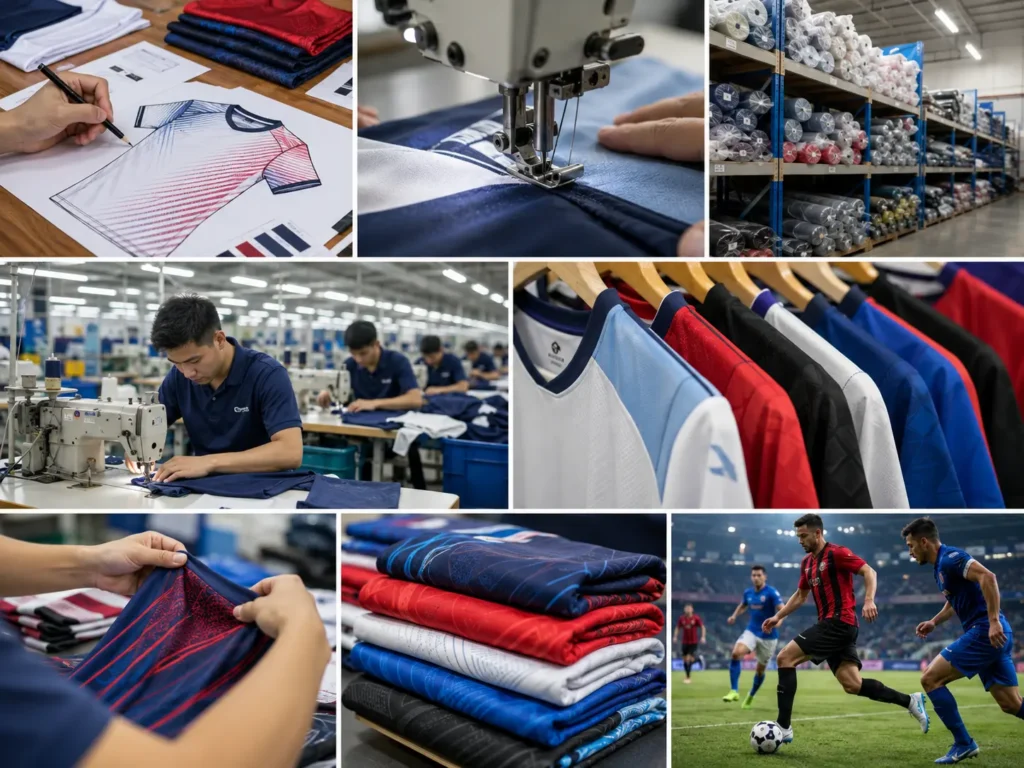
Why Stitching Determines the Real Durability of Football Jerseys
Football is a high-contact sport. Jerseys are pulled during tackles, stretched during sprinting, twisted during body turns, rubbed during sliding, soaked with sweat, and washed repeatedly. This creates stress that ordinary casual T-shirts do not face. If the seam cannot stretch and recover with the fabric, it may pop, pucker, twist or deform.
Ammattilainen Football Jerseys manufacturer should not choose one stitching method for every seam. The shoulder seam, side seam, underarm panel, sleeve opening, collar and hem all experience different force. Good production uses a location-based stitching strategy: strong seams where the jersey is pulled, soft seams where the body moves, clean finishes where appearance matters, and reinforcement where stress is concentrated.
| Stitching Method | Best Jersey Area | Strength Level | Stretch Comfort | Buyer Risk if Misused |
|---|---|---|---|---|
| 4-thread overlock | Side seams, sleeve seams, shoulders | Korkea | Hyvä | Can feel bulky if poorly finished |
| Flatlock-ompeleet | Underarms and stretch panels | Medium to high | Erinomainen | Higher cost and slower production |
| Coverstitch | Hems, sleeve openings, neck finishes | Medium | Hyvä | Not ideal for high-load main seams alone |
| Lockstitch | Labels, trimmaa, selected reinforcements | High in stable areas | Low stretch | Can break on elastic zones |
| Bar tack reinforcement | Stress points | Very high locally | Local reinforcement only | Uncomfortable if overused |
What Makes Football Jerseys Different from Ordinary Shirts?
Match Contact and High-Tensile Stress
Ordinary shirts are designed for daily movement. Football Jerseys are designed for repeated athletic stress. During a match, the shoulder area may be pulled by another player. The side seam stretches when the player twists. The underarm zone moves continuously when the player runs, passes, shoots and changes direction. The collar is repeatedly pulled over the head and may also be grabbed during competition. The sleeve opening experiences stretching from arm movement and washing.
The main stress areas include shoulders, side seams, underarms, sleeve attachment, collar, helma, player name and number area, panel transitions and mesh ventilation zones. A weak seam in any one of these zones can reduce the perceived quality of the whole jersey.
Fabric Stretch and Seam Compatibility
Football jersey fabrics are usually made from polyester-based performance textiles. Common options include polyester interlock, bird-eye mesh, jacquard polyesteri, polyester-spandex blends, recycled polyester performance fabric and lightweight sublimation fabric. Each fabric responds differently to sewing tension, needle size and seam type.
| Kankaan tyyppi | Yhteinen GSM-alue | Stretch Behavior | Stitching Priority |
|---|---|---|---|
| Polyester interlock | 130-170 GSM | Moderate stretch | Stable overlock and coverstitch |
| Bird-eye mesh | 140-180 GSM | Breathable but open structure | Controlled tension |
| Jacquard polyester | 150-200 GSM | Structured and durable | Strong seam allowance |
| Polyester-spandex | 160-220 GSM | High stretch | Stretch-compatible seams |
| Kierrätetty polyesteri | 130-180 GSM | Depends on yarn and fabric | Wash and seam recovery test |
| Lightweight sublimation fabric | 120-160 GSM | Soft and flexible | Heat stability and seam control |
Comparing the Main Stitching Methods for Football Jerseys
4-Thread Overlock Stitching
4-thread overlock is one of the most widely used stitching methods for teamwear and performance sportswear. It joins knit fabrics efficiently while allowing the seam to stretch with the garment. It is commonly used for side seams, sleeve seams, shoulder seams and panel joining. For bulk Football Jerseys, it offers a strong balance of durability, cost efficiency and production speed.
The advantage of 4-thread overlock is that it creates a clean inside finish while holding the fabric edge securely. kuitenkin, quality depends on machine tension, thread quality, seam allowance and operator control. Poor tension can cause puckering. Weak thread can break under pulling. A bulky seam can reduce comfort in underarm areas. This is why premium jerseys may combine overlock with flatlock or reinforcement in key zones.
Flatlock Stitching
Flatlock stitching is valued for comfort. It creates a flatter seam profile, which can reduce rubbing against the skin. This makes it especially useful for underarm panels, shoulder comfort zones, compression-style jerseys and premium sportswear. For athletes, flatlock can improve comfort during long matches because it reduces seam bulk in high-movement areas.
The tradeoff is production cost. Flatlock requires better machine control and may be slower than standard overlock sewing. It is not always necessary for budget teamwear, but it can be a strong upgrade for clubs, academies and professional-level custom orders.
Coverstitch
Coverstitch is commonly used for hems, sleeve openings and neck finishes. It creates a clean retail appearance and allows the edge area to stretch. On Football Jerseys, coverstitch can help sleeve hems and bottom hems look more professional while keeping flexibility.
Coverstitch should not be used as the only high-load joining seam in areas like shoulders or side seams. It performs best as a finishing stitch. If thread tension is poor or ends are not secured correctly, coverstitch can unravel. Buyers should inspect hem stability after washing.
Lockstitch and Reinforcement Stitching
Lockstitch is strong in stable areas, but it has limited stretch. It is useful for labels, trimmaa, name tags, stable woven tape and selected local reinforcement. If used across elastic jersey zones, it may break or restrict movement. Bar tack reinforcement can be used at stress points, but it should be applied carefully so it does not create uncomfortable hard spots.
Best Stitching Method by Jersey Area
Shoulder Seams
Shoulders receive strong pulling during tackles, shirt grabbing and body contact. A practical construction is 4-thread overlock with controlled seam allowance and optional reinforcement tape for premium match jerseys. The seam must be strong but not stiff. If it is too rigid, the shoulder area may feel uncomfortable and restrict movement.
Side Seams
Side seams experience torso stretch during sprinting, kääntyminen, breathing and match contact. 4-thread overlock is usually the best standard option because it is strong, flexible and efficient for production. For higher-end designs, flatlock can be used if reduced bulk and premium comfort are priorities.
Underarm and Sleeve Attachment
The underarm zone needs stretch, sweat tolerance and comfort. Flatlock is excellent for premium jerseys because it reduces friction. A fine, well-controlled overlock can also work for cost-efficient teamwear. The key is avoiding rough, bulky seams that irritate the player during repeated movement.
Neckline and Collar
Collar construction affects comfort, appearance and long-term shape retention. Buyers who focus only on body fabric may ignore the collar, but the collar is one of the first areas players notice. A jersey neckline that stretches, twists or feels scratchy can reduce buyer satisfaction even if the main fabric is good. Buyers can review football jersey collar construction when comparing rib collars, V-pääntie, crew necks, taped necklines and coverstitch finishing.
Hem and Sleeve Opening
Coverstitch is usually the best option for sleeve openings and bottom hems because it creates a clean, flexible finish. Double-needle coverstitch can improve retail appearance. The finishing should be tested after washing to confirm that it does not twist, curl or unravel.
| Jersey Area | Main Stress | Recommended Stitch | Syy |
|---|---|---|---|
| Shoulder | Pulling and contact | 4-thread overlock + reinforcement | Strong and flexible |
| Side seam | Torso stretch | 4-thread overlock | Durable and efficient |
| Kainalo | Movement and sweat | Flatlock or fine overlock | Comfort and stretch |
| Sleeve opening | Repeated pulling | Coverstitch | Flexible finish |
| Bottom hem | Washing and movement | Coverstitch | Clean retail look |
| Collar | Muodon säilyttäminen | Coverstitch + neck tape | Better durability |
| Stress points | Local pulling | Bar tack | Reinforcement |
Thread Fabric and Needle Selection for High-Tensile Jerseys
Polyester Thread vs Nylon Thread
Polyester thread is commonly used for sportswear because it offers good strength, wash resistance, color stability and heat tolerance. This makes it suitable for polyester-based Football Jerseys and sublimation production. Nylon thread can be strong and elastic, but heat behavior and long-term color stability should be reviewed based on the application.
For most teamwear orders, polyester thread is a practical choice because it matches the fabric category and supports washing durability. kuitenkin, the thread must be compatible with fabric weight, stitch type, sewing speed and print process. Thread quality is one of the easiest places for low-cost factories to cut corners.
Needle Size and Stitch Density
Needle size and stitch density affect both strength and fabric damage. If stitch density is too low, the seam may be weak. If it is too high, the fabric may be perforated or lose stretch. If the needle is too large, it may create visible holes. If it is too small or wrong for the fabric, skipped stitches may occur.
| Parameter | Typical Buyer Concern | Quality Risk |
|---|---|---|
| Stitch density | Too loose or too tight | Weak seam or fabric damage |
| Thread tension | Balanced seam | Puckering or thread breakage |
| Needle size | Matches fabric weight | Holes or skipped stitches |
| Seam allowance | Enough bite into fabric | Seam slippage |
| Thread type | Strength and wash resistance | Breakage or color mismatch |
| Machine setting | Bulk consistency | Variation between batches |
High-Tensile Performance Testing for Football Jerseys
Seam Strength and Stretch Recovery
Seam strength should be tested together with fabric. A seam may fail before the fabric, or the fabric may tear beside the seam if the stitch is too rigid. For high-tensile Football Jerseys, buyers can request seam tensile testing, stretch recovery checks, visual seam inspection and wearing trials before bulk production.
Performance expectations should match jersey level. A budget event jersey does not need the same test package as professional match wear. kuitenkin, every bulk order should confirm that the seam does not pop during normal pulling, washing and wearing. Buyers should test the final sample, not only fabric swatches.
Wash Durability and Colorfastness
Football Jerseys are washed frequently. A good jersey should maintain seam stability, kauluksen muoto, koon johdonmukaisuus, print appearance and fabric hand feel after repeated washing. Buyers should check thread breakage, seam twisting, puckering, collar deformation, color bleeding, sublimation color stability, number/name durability and shrinkage.
| Testialue | What It Evaluates | Buyer Benefit |
|---|---|---|
| Seam tensile strength | Resistance to pulling | Reduces seam popping |
| Stretch recovery | Return after extension | Maintains fit |
| Wash cycle test | Durability after cleaning | Reduces complaints |
| Värinkesto | Dye or print stability | Maintains appearance |
| Abrasion check | Wear from play | Improves service life |
| Dimensional stability | Shrinkage and twisting | Keeps size consistent |
Stitching Method for Sublimated Football Jerseys
How Sublimation Affects Seam Planning
Sublimated Football Jerseys are printed before sewing. This means the cutting and sewing process must protect graphic alignment. Side stripes, sponsor logos, gradient patterns, sleeve graphics and player number areas can look distorted if sewing tension is poor or panels are not aligned correctly.
Custom teamwear buyers often focus on logos, colors and player names, but stitching affects the final design. If the seam twists, the print line may not match. If the fabric shrinks after heat pressing, the sample may fit differently from the size chart. A capable supplier should test sublimation fabric, thread color, heat stability, panel alignment and seam control before bulk production.
Patches Names and Numbers Add Extra Stress
Football Jerseys often include crests, sponsor logos, pelaajien nimet, numbers and sleeve patches. These decorative elements can affect stretch, weight and durability. Buyers comparing patch options can review TPU silicone and woven patches on football jerseys to understand how decoration choices may influence comfort, premium appearance, washing durability and bulk production cost.
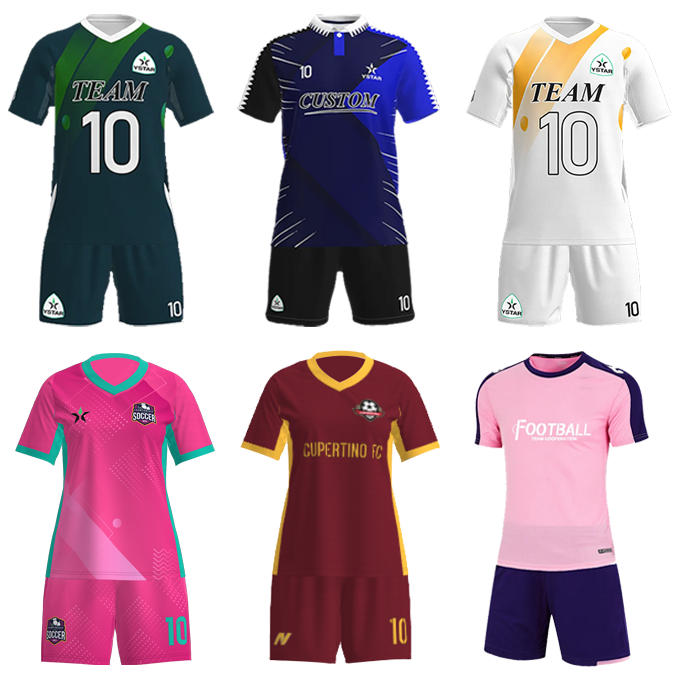
Cost vs Performance: Choosing the Right Seam Package
Budget Teamwear
Budget teamwear usually uses 4-thread overlock for main seams, coverstitch for hems, basic reinforcement at stress points and standard polyester performance fabric. This option is suitable for school teams, youth clubs, event jerseys and large-volume team orders where price, delivery speed and acceptable durability are the main priorities.
Mid-Range Club Jerseys
Mid-range club jerseys can use 4-thread overlock for shoulders and side seams, selective flatlock at underarm or comfort zones, coverstitch hems, improved collar construction and better wash testing. This is a strong option for clubs, akatemiat, semi-professional teams and brand resellers that want better comfort without premium-level cost.
Premium Match Jerseys
Premium match jerseys may use flatlock comfort zones, reinforced shoulder construction, taped neckline, high-quality polyester thread, controlled stitch density, performance fabric with moisture-wicking function and detailed seam testing. Buyers should also consider the project ROI because better fabric and stitching can reduce complaints, improve team satisfaction and support higher retail value. A sourcing discussion around football jersey sourcing ROI can help buyers compare total cost instead of judging only by unit price.
| Jersey Level | Main Stitching Package | Paras ostajatyyppi | Cost Level |
|---|---|---|---|
| Budget teamwear | Overlock + coverstitch | Schools and events | Matala |
| Club level | Overlock + selective flatlock | Clubs and academies | Medium |
| Premium match | Flatlock zones + reinforcement | Pro teams and brands | Higher |
| Retail replica | Overlock + clean coverstitch | Merchandising | Medium |
| Compression-style | Flatlock-heavy construction | Performance wear | Higher |
Supplier Evaluation for High-Tensile Football Jerseys
What a Football Jerseys Manufacturer Should Prove
A qualified Football Jerseys manufacturer should prove fabric sourcing, overlock quality, flatlock capability, coverstitch consistency, sublimation alignment, pattern grading, size tolerance, thread quality, needle control, bulk production QC, seam strength testing, pesutestaus, colorfastness checking, packing control and team order management.
Buyers should not approve a supplier based on photos only. They should request real samples, inside seam photos, washed sample results, size charts, fabric details, thread information and bulk inspection standards. The best supplier can explain why each seam is used in each location.
Factory Inspection Checklist
| Factory Area | Mitä tarkistaa | Miksi sillä on merkitystä |
|---|---|---|
| Fabric warehouse | GSM, koostumus, color lot | Prevents batch mismatch |
| Cutting room | Pattern accuracy | Controls size consistency |
| Sublimation area | Color and panel alignment | Protects design quality |
| Sewing line | Machine type and tension control | Controls seam durability |
| QC area | Measurement and seam inspection | Reduces defects |
| Testing | Pestä, tensile, colorfastness | Supports buyer confidence |
| Pakkaus | Koko, color and player labels | Prevents delivery mistakes |
Common Buyer Mistakes
Virhe 1: Choosing Fabric but Ignoring Stitching
Good fabric can still fail at the seams. Buyers should inspect inside construction, stitch density, thread tension, shoulder seams, underarm seams and hem finishing before approving bulk production.
Virhe 2: Using Lockstitch on High-Stretch Zones
Lockstitch can be strong in stable areas but has limited stretch. If used across high-stretch jersey zones, it may break or restrict movement. Stretch-compatible seams should be used for athletic areas.
Virhe 3: No Wash Test Before Bulk Production
A jersey can look good before washing but fail after several wash cycles. Buyers should wash sample jerseys before approval to check collar twisting, seam puckering, thread breakage, print stability and size change.
Virhe 4: Ignoring Underarm Comfort
The underarm area is one of the highest movement zones. Rough or bulky seams can cause discomfort. Flatlock or fine seam control should be considered for premium and high-performance jerseys.
Virhe 5: Buying Only by Lowest Price
The cheapest jersey may use weak thread, poor tension control, inconsistent seam allowance or low-quality fabric. This can lead to customer complaints, returns and poor team satisfaction. Buyers should compare fabric, ompelemalla, testaus, QC and supplier communication.
Industry Trends in Football Jersey Stitching
More Teams Want Lightweight But Durable Jerseys
Fabric weight is decreasing as teams want breathable, lightweight jerseys. kuitenkin, lighter fabric makes seam control more important because the stitching must hold strength without damaging the material.
Flatlock and Comfort Seams Are Moving into Mid-Range Teamwear
Flatlock was once mainly seen in premium sportswear, but more clubs and academies now request comfort seams in key zones. This trend improves player experience but requires better factory sewing capability.
Sublimation Requires Better Panel and Seam Alignment
Complex graphics, kaltevuudet, stripes and sponsor layouts require more accurate cutting and sewing. Seam twisting or panel mismatch can damage the final visual effect.
Recycled Polyester Increases Testing Requirements
Sustainable performance fabrics are becoming more common. Buyers should test seam strength, wash durability and stretch recovery instead of assuming recycled polyester performs exactly like conventional fabric.
Custom Teamwear Buyers Expect OEM-Level Quality Control
Small clubs now expect size accuracy, color consistency and durability similar to brand-level production. This means suppliers need better QC systems, not only fast customization.
Lopullinen suositus: Use a Mixed Stitching Strategy for High-Tensile Jerseys
The best stitching method for high-tensile Football Jerseys is usually not one stitch. The strongest and most practical structure combines 4-thread overlock for main stretch seams, flatlock for comfort zones, coverstitch for hems and neck finishes, and bar tack reinforcement for stress points. This mixed approach balances durability, venyttää, mukavuus, cost and production efficiency.
Before placing a bulk order, buyers should prepare fabric preference, jersey level, match intensity, määrä, kokoalue, sublimation design, patch requirement, seam comfort expectations, wash durability requirements and inspection standards. Ammattilainen custom Football Jerseys manufacturer can recommend the right stitch package instead of using one sewing method for every jersey.
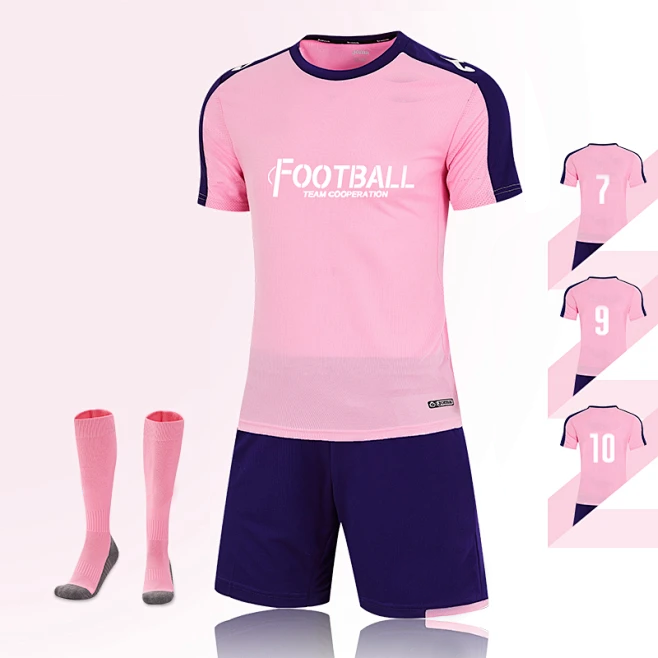
Frequently Asked Questions About Football Jersey Stitching
1. What is the best stitching method for Football Jerseys?
The best stitching method for Football Jerseys is usually a combination rather than one single stitch. For most high-tensile jerseys, 4-thread overlock works well for main seams such as shoulders and side seams, flatlock is useful for underarms and comfort zones, coverstitch is suitable for hems and sleeve openings, and bar tack reinforcement can be used at selected stress points. This mixed construction improves strength, stretch comfort and wash durability.
2. Is flatlock stitching better for football jerseys?
Flatlock stitching is better for certain football jersey areas where comfort and stretch are important, especially underarms, shoulder comfort zones and compression-style panels. It creates a flatter seam that can reduce rubbing during movement. kuitenkin, flatlock is not always necessary for every seam because it can increase production cost. Budget teamwear may use well-controlled overlock seams, while premium match jerseys can benefit from selective flatlock placement.
3. Are overlock seams strong enough for football jerseys?
A well-made 4-thread overlock seam is strong enough for many Football Jerseys, especially side seams, sleeve seams, panel joining and shoulder seams when thread quality, seam allowance and machine tension are properly controlled. Overlock seams are widely used because they combine strength, flexibility and production efficiency. The main risk is poor execution: weak thread, wrong tension, skipped stitches or insufficient seam allowance can reduce durability.
4. How can buyers test football jersey seam strength?
Buyers can test football jersey seam strength through seam tensile testing, stretch recovery checks, wash cycle testing, visual seam inspection and sample wearing trials before bulk production. Important areas to test include shoulders, side seams, underarms, sleeve openings, collar and hem. Buyers should also inspect whether the seam twists, puckers, breaks, stretches out or changes after washing. Testing the finished jersey is more useful than testing fabric alone.
5. How do I choose a Football Jerseys manufacturer for durable stitching?
Choose a Football Jerseys manufacturer with performance fabric knowledge, 4-thread overlock capability, flatlock and coverstitch experience, sublimation alignment control, collar construction knowledge, pesutestaus, seam inspection and bulk QC records. A reliable manufacturer should explain which stitch is used in each jersey area and why. Buyers should request real samples, inside seam photos, washed sample feedback, fabric specifications and inspection standards before confirming bulk production.