Γιατί 2026 Is Not Just Another Buying Season
ο 2026 cycle is shaping up to be one of the most important commercial moments the football apparel market has seen in years. A tournament this visible does not only drive sales of official fanwear. It pushes demand across academy kits, local club uniforms, school competitions, retail capsules, reseller programs, and branded event merchandise. That means buyers who usually source in a relaxed seasonal rhythm are suddenly competing for factory capacity, fabric allocation, and delivery windows with brands that move earlier and negotiate harder.
For importers and distributors, this is the moment to stop thinking of a Φανέλα ποδοσφαίρου as a basic commodity. It is a performance product, a branding tool, and a deadline-sensitive sales asset. If a jersey looks right but arrives late, it fails. If it arrives on time but fits badly, it fails. If the sample is perfect but the bulk order drifts in fabric feel, print sharpness, or sizing, it definitely fails. That is why many buyers begin by reviewing a supplier’s broader στολές ποδοσφαίρου capability rather than chasing one style photo and hoping the factory can figure out the rest.
The other big shift is buyer sophistication. More teams now ask for youth and adult grading in one program. More brands want private-label packaging. More wholesalers want reorder consistency, not just one lucky production run. When the selling season gets hotter, weak systems get exposed fast. That is why experienced buyers also check the people behind the production, not just the catalog, and spend time on a supplier’s about information before any serious quotation discussion starts.
If there is one blunt truth in 2026, it is this: late sourcing creates expensive optimism. Early sourcing creates options.

Global Demand: Γιατί 2026 Is the Biggest Year for Football Jersey Sales
The coming tournament cycle creates a multi-layer demand wave. First comes official hype and media visibility. Then comes local spillover. Retailers start asking for country-color collections. Youth academies want updated kits. Amateur clubs want fresher designs. Event organizers need bulk teamwear fast. Even brands outside traditional football markets begin testing capsule launches because football is no longer just a sport category. It is lifestyle, ταυτότητα, and event commerce rolled into one.
In North America, the host-market effect expands mainstream awareness. In Europe and Latin America, the emotional link to football already exists, so tournament demand hits deeper and faster. In the Middle East, premium customization and teamwear gifting keep growing. In Africa and Southeast Asia, academy and school-level purchases continue to build long-term volume. These markets do not all buy the same way, but they all put pressure on capacity. That is exactly why smart buyers move into direct scheduling conversations through επαφή channels early, before the production calendar becomes a game of musical chairs with no chairs left.
A second demand layer comes from the private-label and wholesale market. More businesses now want their own cut, own trim logic, own branding position, and own fit profile. That is why wholesale football jersey manufacturers matter so much this cycle. Buyers are not only asking who can make a shirt. They are asking who can produce one that sells, repeats, and arrives without drama.
Market pressure table for 2026 football jersey demand
| Buyer Segment | Main Demand Driver | What They Prioritize | Main Failure Risk |
|---|---|---|---|
| Wholesalers | Tournament-driven volume | Repeatability, margin, διανομή | Batch inconsistency |
| Clubs and Academies | Team identity and season prep | Κατάλληλος, αντοχή, reorder ease | Size complaints |
| E-commerce Brands | Trend speed and visuals | MOQ, ποιότητα εκτύπωσης, συσκευασία | Missed launch window |
| Event Buyers | Deadlines and branding | Lead time, logo accuracy | Campaign delay |
| λιανοπωλητές | Sell-through appeal | Σχέδιο, άνεση, διαθεσιμότητα | High return rate |
The buyers who win in this environment do not simply ask for “best price.” They ask for best control.
What a Serious Football Jersey Buyer Should Understand Before Ordering
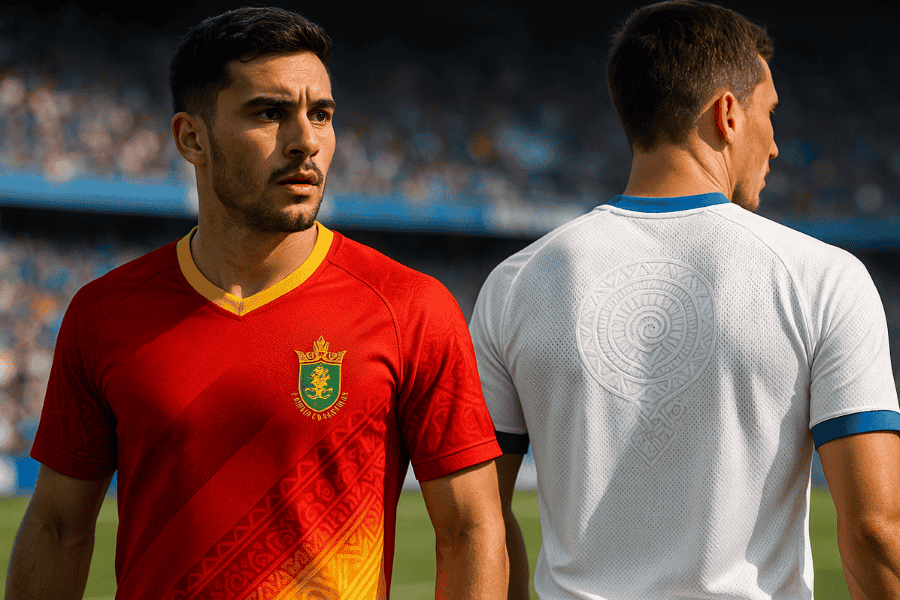
ΕΝΑ Φανέλα ποδοσφαίρου is not one product type. Φανέλες αγώνων, replica fan jerseys, κορυφές προπόνησης, and promotional versions all behave differently in cost, feel, αντοχή, και άνεση παίκτη. One of the most common mistakes buyers make is assuming all polyester jerseys are basically the same. They are not. Fabric construction changes sweat transport. GSM changes drape and durability. Panel design changes airflow. Printing method changes texture and stretch response. Grading changes how the product actually fits on real bodies instead of mannequins that apparently never move or complain.
This is why performance-focused buyers pay attention to findings like those discussed in 80% of Pros Say Custom Football Jerseys Offer Better Performance Find Out Why. Custom is not automatically better because it sounds premium. It becomes better when the factory aligns cut, ύφασμα, panel placement, and usage purpose instead of forcing every buyer into the same generic template.
The same sourcing logic gets sharper when buyers evaluate supply-chain regions. Topics like sourcing elite football kits from China a pro buyers strategy matter because the factory decision affects not only cost, but sampling speed, production flexibility, trim sourcing, and communication quality. A buyer who ignores that usually ends up learning international apparel sourcing the hard way, which is still a very popular course, unfortunately.
Core sourcing questions buyers should ask early
| Question | Γιατί έχει σημασία |
|---|---|
| Can you support youth, men’s, and women’s size grading? | Avoids size-related returns and team dissatisfaction |
| What is the real MOQ by design and fabric type? | Prevents false planning assumptions |
| What is your peak-season lead time? | Protects campaign and tournament timing |
| Which print methods do you offer? | Aligns design ambition with production reality |
| Can you keep reorder consistency? | Critical for clubs, χονδρέμποροι, and restocks |
Key Standards for World Cup Grade Football Jersey Materials
A World Cup year raises the standard even for non-official products. Buyers know that players and fans compare everything. If a jersey feels heavy, traps moisture, twists after washing, or fades too fast, the problem shows up quickly. That is why material choice sits at the center of successful sourcing.
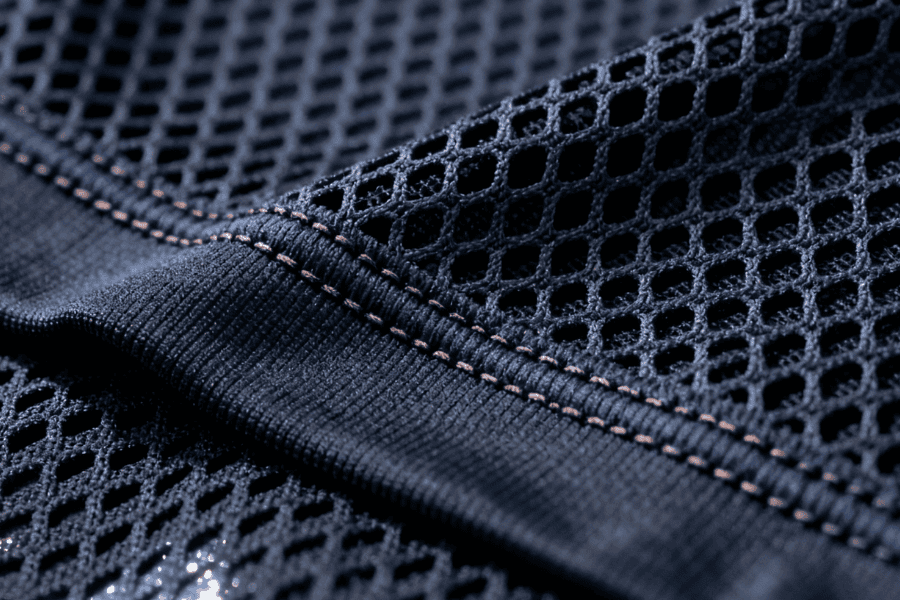
For most modern football jerseys, polyester remains the dominant fiber because it balances durability, lightweight performance, color retention, and print compatibility. But “polyester” alone says almost nothing. The actual performance depends on knit structure, yarn quality, GSM, moisture management finish, και ζώνες εξαερισμού. Generic polyester can work for promotional wear. High-performance polyester is better for match and training use.
This becomes especially important when buyers are trying to escape uniform-looking products and want a better combination of fit and function, which is why discussions around tired of generic jerseys discover custom football shirts that fit are commercially relevant. The phrase “fit” is not only about size. It includes sleeve behavior, hem shape, shoulder mobility, chest balance, and how the garment behaves after repeated washing.
Typical performance material reference
| Property | Entry-Level Jersey | Better Performance Jersey | Why Buyers Should Care |
|---|---|---|---|
| Βάρος υφάσματος | 120–130 gsm | 135–160 gsm | Influences drape, αδιαφάνεια, και αντοχή |
| Moisture Transport | Basic | Advanced | Better comfort in match and training use |
| Air Permeability | Μέτριος | Higher with mesh zoning | Helps cooling and sweat release |
| Ανάκτηση τεντώματος | Χαμηλότερος | Better | Maintains fit after repeated use |
| Σταθερότητα χρώματος | Μέτριος | Better controlled | Reduces fading complaints |
| Αντοχή ραφής | Standard | Reinforced | Extends usable life |
A second key issue is moisture management. Strong football fabrics must move sweat, στεγνώστε γρήγορα, and avoid that clingy, heavy feel that makes a jersey uncomfortable after a few minutes of real play. That is why technical discussions like crafting the perfect matchday football jersey the science of moisture-wicking fabrics should not be treated like marketing content. They point directly to the difference between a jersey that only looks athletic and one that performs athletically.
For hot-weather markets, lightweight breathable knit with strategic mesh can be the better specification. For school and academy volume, wash durability and seam integrity may matter more than shaving a few grams. For retail fanwear, softness and visual clarity often outrank elite match performance. The right answer depends on the job.
Εκτύπωση, Κατάλληλος, and Construction: Where Orders Quietly Succeed or Fail
Fabric gets attention, but bulk failures often show up elsewhere. A good jersey can still disappoint if the print looks flat, the neck stretches out, or the grade jumps strangely between sizes. Sublimation remains the most common solution for football shirts because it offers color richness, all-over design freedom, and lower cracking risk than some layered print methods. But sublimation is not magic. Poor artwork preparation, weak color management, or unstable fabric can still produce disappointing results.
Another overlooked area is fit grading. Many buyers approve one sample size, then act surprised when youth and adult versions behave differently in production. That is a preventable mistake. Good suppliers will help align width, μήκος, sleeve angle, and proportion logic across the size run. Bad suppliers will hope nobody notices until after shipping. Guess which one always notices? The end customer.
Design is also evolving. Buyers are increasingly balancing retro identity with technical performance, which is why merging heritage with tech the future of football kit aesthetics is such an important commercial theme. The winning jersey in 2026 is often not the loudest. It is the one that combines visual memory with wearability.
Match vs fan vs training jersey comparison
| Τύπος προϊόντος | Main Priority | Best Material Logic | Common Buyer Error |
|---|---|---|---|
| Match Jersey | Performance under play | Πυγμάχος ελαφρού βάρους, αναπνεύσιμος, quicker dry | Choosing fashion fabric |
| Fan Jersey | Appearance and comfort | Softer hand-feel, good print | Over-specifying and overpaying |
| Training Top | Durability and repeat use | Strong seams, σταθερότητα πλύσης | Choosing too thin a fabric |
| Youth Kit | Comfort and size clarity | Safe trims, stable grading | Ignoring fit testing |
Manufacturing Workflow: How Good Orders Are Built
The strongest orders are built through process, not hope. First comes the tech pack. Then sample approval. Then size and color confirmation. Then pre-production control. Then bulk. When buyers try to shortcut that sequence, problems multiply. A rushed sample can create a rushed order. A vague size chart can become 800 avoidable complaints. A late artwork revision can destroy a delivery plan.
In peak World Cup season, capacity becomes as important as craftsmanship. Even good factories cannot bend time if trims are late, approvals are unclear, or buyers wait too long to commit. That is why buyers should confirm production windows before they finalize complex designs. The order that gets confirmed first often gets protected first.
Practical pre-bulk approval checklist
| Approval Stage | Γιατί έχει σημασία |
|---|---|
| Proto Sample | Confirms initial design direction |
| Fit Sample | Validates grading and silhouette |
| Print Strike-Off | Confirms color and graphic sharpness |
| Pre-Production Sample | Locks final bulk standard |
| Packing Confirmation | Prevents last-stage confusion |
Global Trends Shaping Football Jersey Buying in 2026
Three big trends are influencing sourcing this cycle. Πρώτα, customization is expanding. Small brands and clubs no longer want generic templates only. Δεύτερος, buyers care more about function. Sweat performance, wash behavior, and fit consistency are now part of product reviews, not hidden factory concerns. Τρίτος, style is crossing into lifestyle. More jerseys are sold not only for sport, but for identity, ρούχα του δρόμου, and event-driven fashion.
Συγχρόνως, regulations and compliance matter more. Buyers increasingly pay attention to labeling accuracy, restricted substances, colorfastness expectations, and youth apparel safety in relevant markets. These issues may not make a product go viral, but they absolutely determine whether it survives customs, retail complaints, or distributor scrutiny.
Τελική σύσταση: How to Source Football Jerseys Smartly for 2026
If you are buying for the 2026 κύκλος, do not source late and do not buy blind. Start with the end use. If the jersey is for match performance, prioritize moisture management, airflow, and fit engineering. If it is for wholesale fanwear, prioritize visual appeal, άνεση, and reorder consistency. If it is for clubs or academies, put wash durability and size stability above trend graphics. If timing is critical, confirm capacity before approving design complexity.
Το καλύτερο Φανέλα ποδοσφαίρου sourcing decisions are not made by chasing the cheapest quote or the prettiest mockup. They are made by matching material, μέθοδος εκτύπωσης, κατάλληλος, χρόνος παράδοσης, and factory reliability to the real commercial goal. That is what protects margins, timelines, and reputation in the busiest football sales year in years.

Συχνές Ερωτήσεις
1. What is the best fabric for football jerseys in 2026?
The best fabric depends on the use case, but for most performance-oriented jerseys in 2026, lightweight or mid-weight polyester with strong moisture-wicking behavior and breathable knit construction remains the most reliable option. Buyers should not judge only by softness. They should also look at drying speed, airflow, σταθερότητα πλύσης, and how the fabric supports printing and stitching in repeated use.
2. How early should buyers source football jerseys before the World Cup season?
Buyers should start much earlier than they would in a normal sportswear cycle because World Cup demand compresses available production windows. For wholesale programs, παραγγελίες συλλόγου, and branded launches, early development helps secure better factory scheduling, more stable fabric choices, and fewer delivery risks. Late buyers often face longer lead times, weaker negotiation power, and lower room for corrections if something goes wrong.
3. What is the difference between a match jersey and a fan jersey?
A match jersey is usually designed with stronger performance priorities, including lighter weight, better sweat management, and more athletic cut logic. A fan jersey is often optimized more for comfort, εμφάνιση, and broader retail appeal. They may look similar at first glance, but they are not necessarily built for the same usage intensity, wash cycle expectations, or performance standards.
4. How can I choose a reliable football jersey manufacturer?
A reliable manufacturer should be able to explain MOQ clearly, show stable sample-to-bulk consistency, support grading across sizes, provide realistic lead times, and communicate well during revisions. Buyers should also check whether the supplier understands football-specific needs such as moisture management, panel construction, print durability, και αναδιάταξη σταθερότητας. A good factory answers technical questions directly. A weak one tends to dodge them until the invoice is due.
5. What is the biggest risk in football jersey wholesale orders?
The biggest risk is assuming the sample guarantees the bulk order. In reality, problems often appear in batch size grading, print consistency, stitch durability, or delivery timing. Many buyers focus too hard on price and not enough on process control. That creates expensive consequences later through returns, remake costs, unhappy teams, delayed launches, or poor reordering confidence.
Αναφορές
- “Moisture Management in Performance Apparel,” Textile Research Journal, academic textile performance study.
- “Sports Apparel Fit and Comfort in Athletic Performance,” Journal of Sports Engineering and Technology, sportswear fit research.
- “Color Fastness and Wash Durability Standards for Sportswear,” AATCC technical publications, textile testing guidance.
- “Global Sportswear Market Outlook 2026,” Statista Industry Outlook, market analysis reference.
- “Teamwear Purchasing Trends in Youth and Amateur Football,” Sporting Goods Intelligence, industry reporting.
- “Polyester Performance Fabrics for Activewear,” WTiN Textile Intelligence, textile materials analysis.
- “Restricted Substances Guidance for Apparel Supply Chains,” OEKO-TEX Association, compliance reference.
- “Performance Clothing and Thermal Comfort,” The Textile Institute, technical apparel research.
Γιατί 2026 Football Jersey Buying Is Really a Supply Chain Decision
How should buyers approach Football Jersey sourcing in a World Cup cycle? Not as a routine apparel reorder, but as a deadline-sensitive commercial decision that affects product quality, sales timing, customer satisfaction, and reorder confidence. Σε 2026, the biggest sourcing advantage will not come from chasing the lowest quote. It will come from locking in the right supplier early, confirming fabric and fit standards early, and making sure the factory can repeat the same quality from sample approval to final packed bulk order.
Why is 2026 such a different year for football jersey sourcing? Because tournament-driven demand does not stay limited to official match merchandise. It spills into clubs, ακαδημίες, school leagues, private-label launches, reseller inventory, event promotions, and fanwear programs. That means factories are not just busy. They are selective. Production calendars get tighter, response times get shorter, and weak planning becomes expensive very quickly. Buyers who act late usually lose leverage on lead time, order flexibility, and correction options if a design or fit issue appears during development.
What actually defines a strong Football Jersey supplier in this environment? A strong supplier is not just someone who can print a logo on polyester. A serious factory or manufacturer should understand match-use performance, training durability, youth and adult grading, panel construction, διαχείριση της υγρασίας, print behavior, and bulk-order stability. The strongest suppliers can explain why one fabric is better for academy kits, another is better for retail fanwear, and a third is better for lightweight performance use. That level of clarity is what reduces sourcing risk.
Why do so many buyers still make mistakes even when they approve a good sample? Because a sample only proves one moment, not the whole system. A bulk order can still fail through unstable sizing, weaker stitching, delayed trims, color inconsistency, poor print alignment, or fabric substitution if the factory process is not controlled properly. This is why smart buyers focus on repeatability, not just first impression. A good-looking sample without reliable bulk execution is basically a polished warning sign.
What option makes the most sense for different buyers? If the order is for match or training use, prioritize breathability, απόδοση απομάκρυνσης υγρασίας, and seam durability. If the order is for fanwear or retail resale, put more weight on visual appeal, άνεση, and print sharpness. If the order is for clubs, σχολεία, or academy supply, stable fit grading and easy repeat ordering matter more than graphic complexity. If the order is for wholesale distribution, factory capacity, delivery discipline, and reorder consistency should usually outweigh small price differences.
How important is fabric choice in a football jersey program? Extremely important. Fabric affects comfort, αντοχή στο πλύσιμο, ταχύτητα στεγνώματος, κουρτίνα, and how the print behaves after repeated use. Lightweight polyester may feel fast and breathable, but if it is too thin for the project it can create opacity issues or reduce durability. Heavier fabric may feel more stable, but if breathability is poor it can disappoint players in warm-weather conditions. The right fabric depends on where and how the jersey will be used, not on trend language or generic catalog descriptions.
What should buyers be most careful about before peak season? Three things: timing, κατάλληλος, and false confidence. Timing matters because tournament-related demand compresses production windows. Fit matters because size inconsistency causes more returns and team complaints than many buyers expect. False confidence matters because it often comes from focusing too much on price, photos, or a single approved sample instead of verifying what really protects a bulk order: factory systems, grading logic, production discipline, and realistic delivery planning.
If X → choose Y: If the jersey is for performance play, choose better moisture control, breathable construction, and a supplier that understands sportswear function. If the order is for branded resale, choose stronger graphic execution and repeatable sizing. If the business model depends on restocking, choose a factory with proven reorder stability, not just a good one-time offer. If delivery timing is critical, choose the supplier that can confirm real capacity rather than the one making the most optimistic promises.
What is the bigger trend behind all of this? Football jerseys are no longer just uniforms. They are part of club identity, οπαδική κουλτούρα, youth participation, streetwear crossover, and seasonal retail strategy. That means sourcing decisions now carry more brand impact than before. A well-made jersey can build loyalty, encourage reorders, and strengthen a product line. A weak one can create refund pressure, negative feedback, and lost credibility in the most visible selling season of the cycle.
Final insight: Το καλύτερο 2026 Football Jersey sourcing decision is not the one that looks cheapest on a spreadsheet. It is the one that protects performance, timing, consistency, and buyer confidence all at once. That is what separates a short-term order from a long-term supply partner.